Lockheed, Rheinmetall to Build ATACMS Missiles in Germany
A new MOU puts ATACMS production outside the US for the first time in 35 years, targeting up to 800 missiles a year from Rheinmetall's Unterluess plant by 2029.
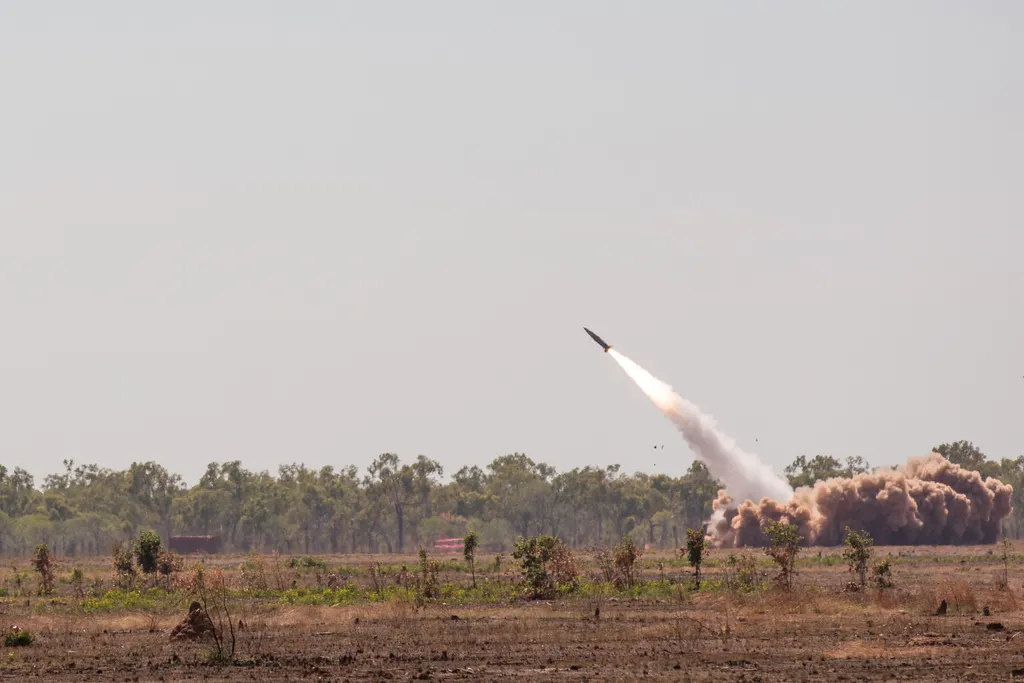
DVIDS, U.S. Army field artillery launches ATACMS in Australia (shown for identification)
Lockheed Martin and Rheinmetall signed a memorandum of understanding on July 7 to co-produce the Army Tactical Missile System, or ATACMS, at Rheinmetall’s Unterluess facility in northern Germany, marking the first time in the missile’s 35-year production history that it will be built anywhere outside the United States, according to Lockheed Martin’s own announcement. The plan targets full production by 2027, ramping through 2028 and 2029 toward an estimated 600 to 800 units a year, roughly double the current US output, which industry estimates place at around 300 to 500 missiles annually.
Why Unterluess, and why now
Rheinmetall’s Unterluess site is not a greenfield choice. The roughly 125-year-old facility, which employs about 4,000 people, has been expanding steadily: a new artillery-ammunition plant came online last year, and a rocket-motor factory is nearing completion with a targeted 2027 startup, according to Rheinmetall’s own statement on the MOU. That existing rocket-motor buildout is precisely why Unterluess was the logical site for ATACMS rather than a new location: the missile’s solid-propellant motor is one of the more specialized components in its production chain, and Rheinmetall is already building the domestic capacity to manufacture that class of hardware for its own artillery and rocket programs.
The timing is notable. The MOU was announced the same day as NATO’s Ankara summit, where alliance members collectively pledged roughly 70 billion euros a year in aid to Ukraine and reaffirmed a 5%-of-GDP defense spending target by 2035. The ATACMS co-production plan reads as a direct industrial answer to that alliance-wide pledge: rather than relying solely on US production lines to supply a weapon in heavy demand from Ukraine and from NATO’s own European members, the deal begins building a parallel supply chain inside Europe itself, part of a broader push toward European industrial resilience that has gathered pace since Russia’s invasion of Ukraine exposed how thin Western munitions stockpiles and production capacity had become relative to sustained wartime consumption.
What ATACMS is and why the production number matters
ATACMS is a Lockheed Martin design fielded since 1991: a ground-launched missile roughly 3.98 meters long, with about 300 kilometers of range, GPS and inertial navigation guidance, and a unitary warhead, carrying a unit cost of approximately $1.5 million. It is fired from the Army’s M270 tracked launcher and from the wheeled HIMARS platform, both of which have seen extensive use in Ukraine as a long-range strike option against targets beyond the reach of conventional tube artillery. For 35 years, every ATACMS round in every arsenal that operates it has come from a single US production line, which is precisely the bottleneck this deal is designed to address.
Doubling annual output from roughly 400 units, taking the midpoint of the commonly cited 300-to-500 range, to a planned 600-to-800 units by the end of the decade is a meaningful industrial commitment, but it is worth separating the announcement from the delivered capability. An MOU is an agreement to move forward together, not a signed production contract with binding delivery dates, and the 2027 full-production target sits three years out from the announcement itself, with the higher end of the ramp not expected until 2028 or 2029. Euronews’ coverage notes the deal fits a pattern of major US defense primes establishing co-production arrangements with European manufacturers, a structure that lets American designs reach European production capacity faster than building an entirely new domestic missile program from scratch, while giving European governments a domestic supply chain for a weapon they have become increasingly reliant on.
What to watch next
The immediate near-term markers are whether the MOU converts into a signed production contract with specific delivery milestones, and whether the Unterluess rocket-motor factory hits its own targeted 2027 startup on schedule, since ATACMS production there is contingent on that separate facility coming online first. Both Lockheed Martin and Rheinmetall have strong incentive to move quickly given the political momentum from the Ankara summit, but missile production lines, particularly ones involving solid-propellant motor manufacturing, are not quick to stand up even with committed funding and an existing industrial site.
By the numbers
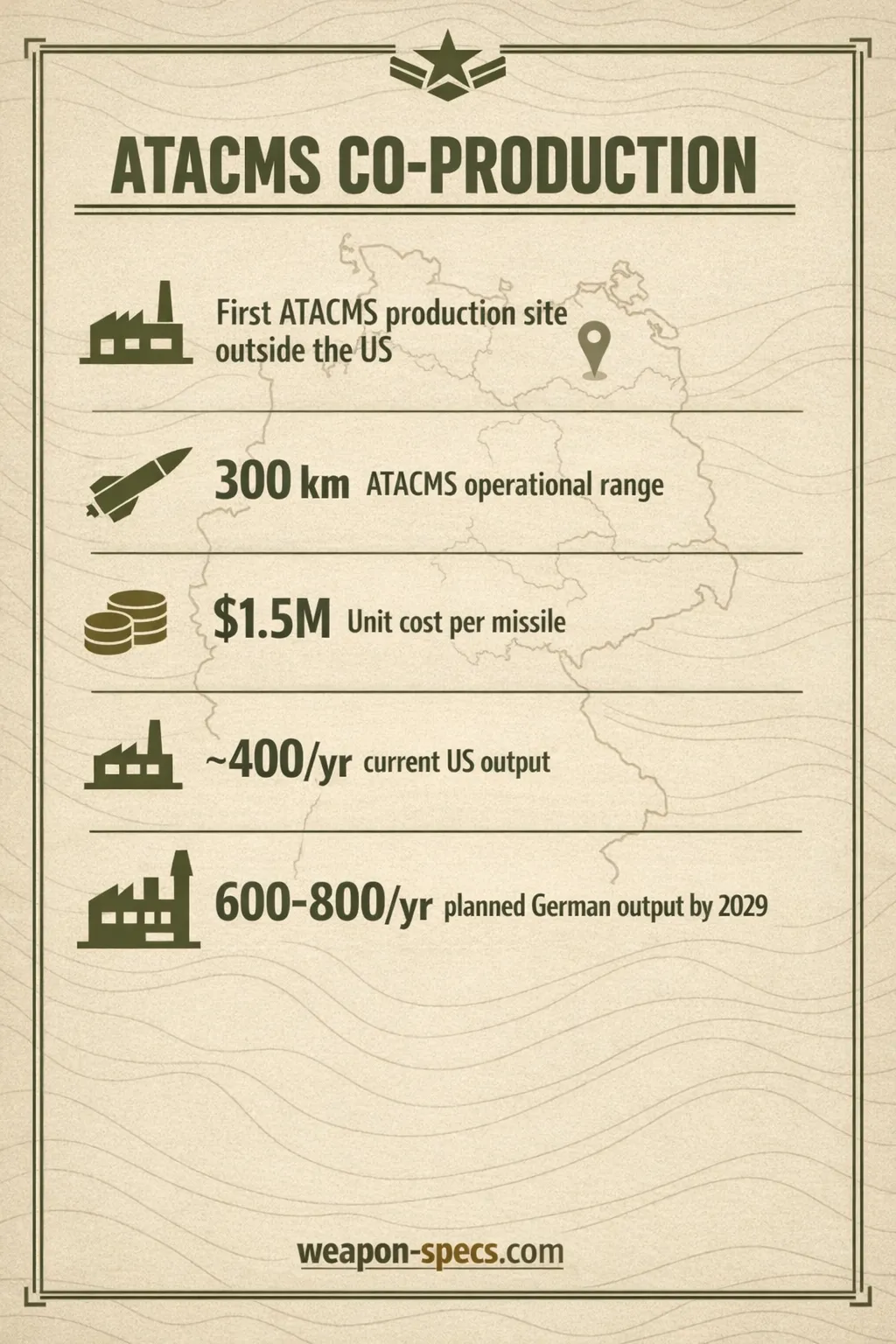
Infographic: WeaponSpecs News Desk
Sources
- Lockheed Martin and Rheinmetall Move Forward with ATACMS Co-Production in Europe — Lockheed Martin, Jul 7, 2026
- Rheinmetall and Lockheed Martin plan to produce ATACMS — Rheinmetall, Jul 7, 2026
- Lockheed Martin and Rheinmetall plan first ATACMS missile production in Europe — Euronews, Jul 7, 2026
Systems mentioned
Every system named in this story, with its photo and, where available, a video. Tap a card to open the full spec sheet.
Compare these side by side →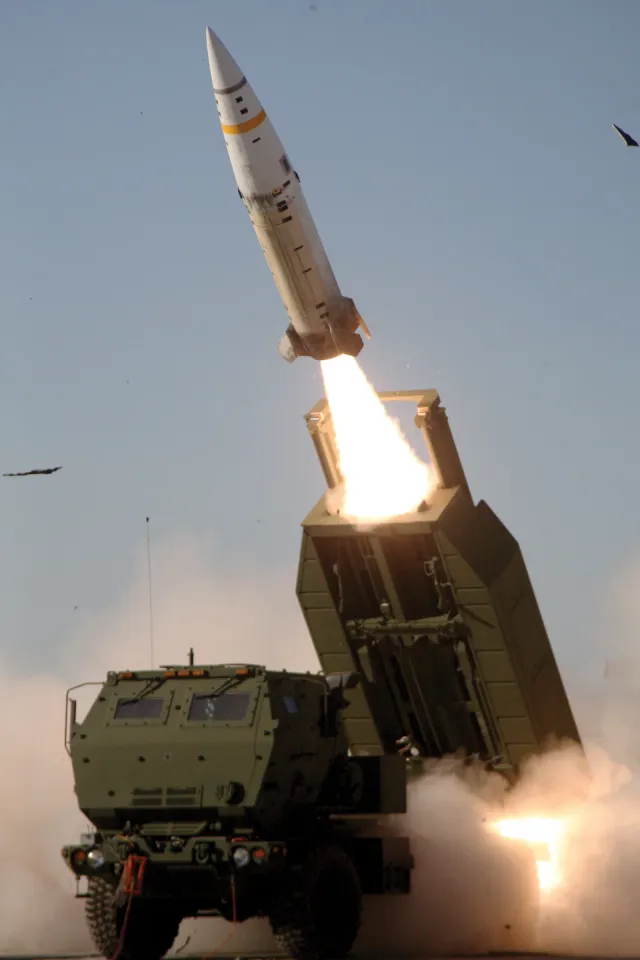
Missile
MGM-140 ATACMS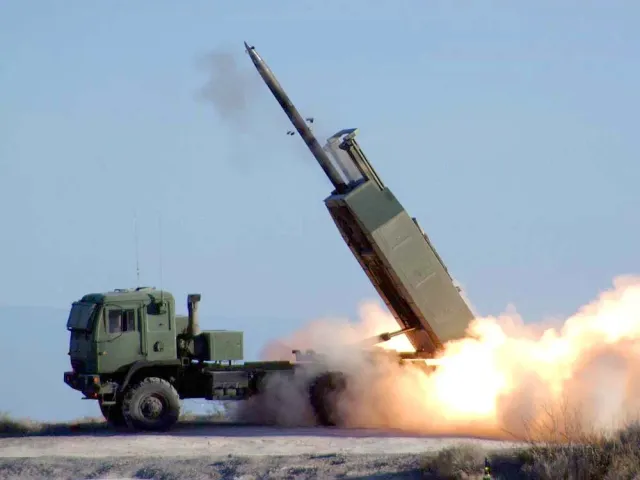
Artillery & MLRS
M142 HIMARSFrequently asked questions
Where will ATACMS be produced in Germany, and why is that significant? +
Production is planned for Rheinmetall's Unterluess facility in northern Germany, a roughly 125-year-old site with about 4,000 employees that has recently added a new artillery-ammunition plant and a rocket-motor factory nearing 2027 startup. It would be the first time in ATACMS' 35-year production history that the missile has been built anywhere outside the United States.
How many ATACMS missiles is the co-production deal targeting? +
The plan aims for full production readiness by 2027, ramping through 2028 and 2029 toward an estimated 600 to 800 units per year, according to reporting on the memorandum of understanding. That would roughly double current US annual output, estimated at around 300 to 500 units a year.
What is ATACMS and what does it do? +
The Army Tactical Missile System is a Lockheed Martin-designed ground-launched missile fielded since 1991, about 3.98 meters long, with roughly 300 kilometers of range, GPS and inertial guidance, a unitary warhead, and a unit cost of approximately $1.5 million. It is fired from the M270 launcher and the Lockheed Martin HIMARS platform.
More news