NATO Allies Pledge €70B Annually for Ukraine at Ankara Summit
An in-depth look at NATO's Ankara summit: a €70 billion-a-year Ukraine aid pledge, the road from a 2% to a 5%-of-GDP spending target, and why Turkey's grip on the Black Sea straits made it the venue.

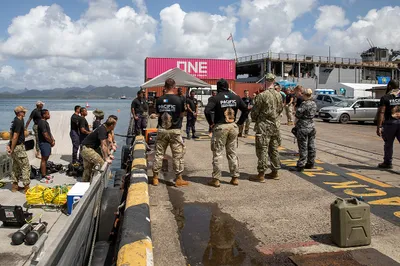
DoD photo by U.S. Navy Petty Officer 1st Class Alexander Kubitza, public domain, via Wikimedia Commons
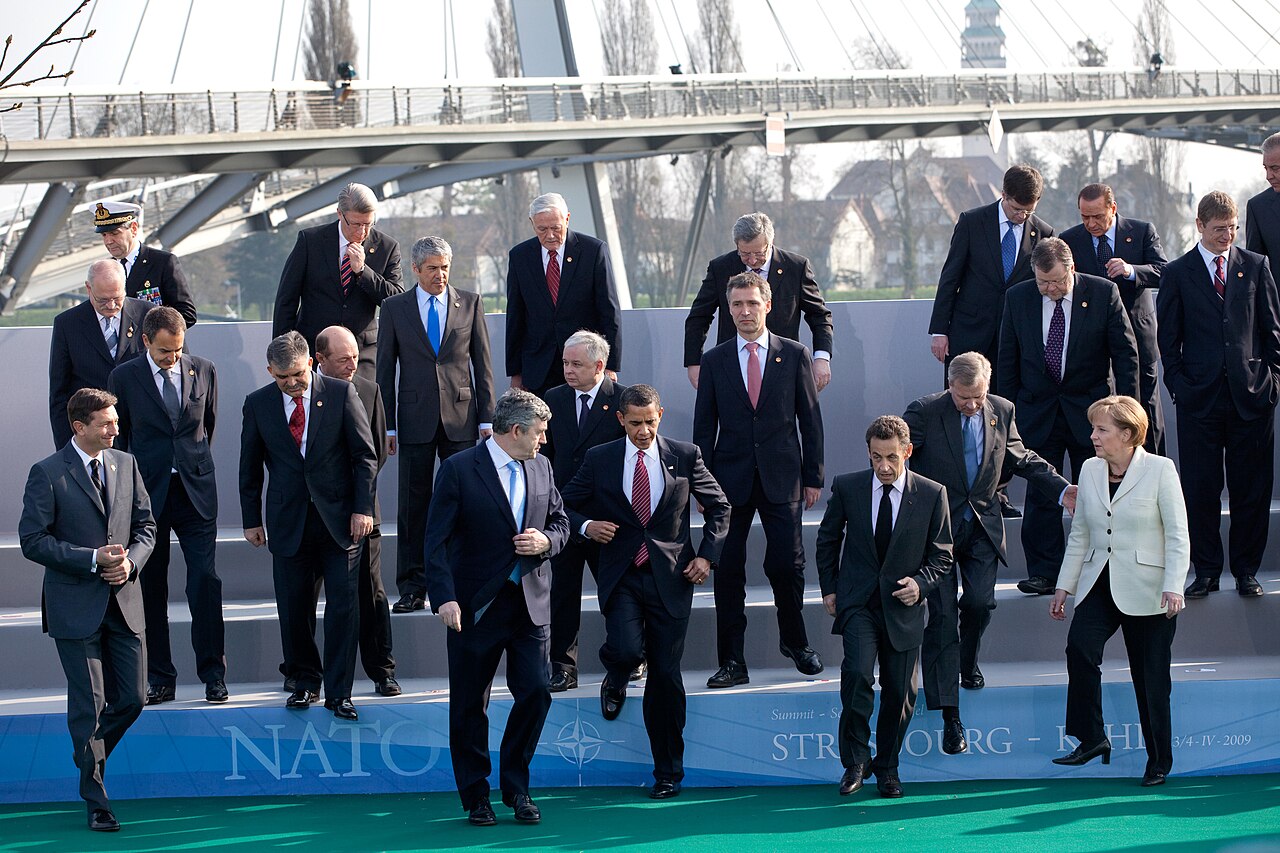
NATO’s 32 heads of state opened the 36th alliance summit in Ankara on July 7, pledging €70 billion a year in military aid to Ukraine through 2027 and reaffirming a path to 5% of GDP in defense spending by 2035, according to NATO’s own summit overview. The two-day meeting, only the second NATO summit ever hosted in Turkey since 2004, arrives a day after a Russian strike on Kyiv killed at least 21 people, with some outlets reporting as many as 26, and amid persistent questions from President Trump about whether European allies are actually paying their share of the alliance’s defense burden.
Secretary General Mark Rutte framed the summit around three linked priorities heading in: raising allied defense investment, expanding transatlantic defense-industrial production, and sustaining support for Ukraine, according to NATO News. Those three threads are not separate agenda items so much as one argument stated three ways: the alliance can only keep supplying Ukraine at scale, and keep deterring Russia over the long run, if members are actually building the industrial capacity and spending discipline to back it up. This piece walks through what was pledged, how the money is structured, why Ankara was the venue, and which hardware the commitments actually touch.
The road to Ankara: a timeline
The Ankara pledges did not appear from nowhere. They sit at the end of a decade-long climb in allied spending expectations, accelerated sharply by the full-scale war in Ukraine.
- Sep 2014 · Wales Allies adopt the Defence Investment Pledge: move toward spending 2% of GDP on defense within a decade.
- Jun 2025 · The Hague Allies agree a new 5% of GDP target by 2035 (3.5% core defense plus 1.5% broader security), with a review point in 2029. All members sign on except Spain.
- Mar 2026 · Annual report NATO reports European allies and Canada raised defense spending by close to USD 139 billion in nominal terms in 2025, about a 20% jump on 2024.
- Late Jun 2026 · London The UK unveils a £298 billion Defence Investment Plan, one of several large national procurement plans landing ahead of the summit.
- Jul 6 2026 · Kyiv A mass Russian missile and drone strike on Kyiv kills at least 21 people, with some reports of 26, on the eve of the summit.
- Jul 7-8 2026 · Ankara The 36th NATO summit opens: a €70 billion-a-year Ukraine aid pledge for 2026-2027 and a reaffirmed 5% path, with a Defense Industry Forum on the sidelines.
What exactly did allies commit to?
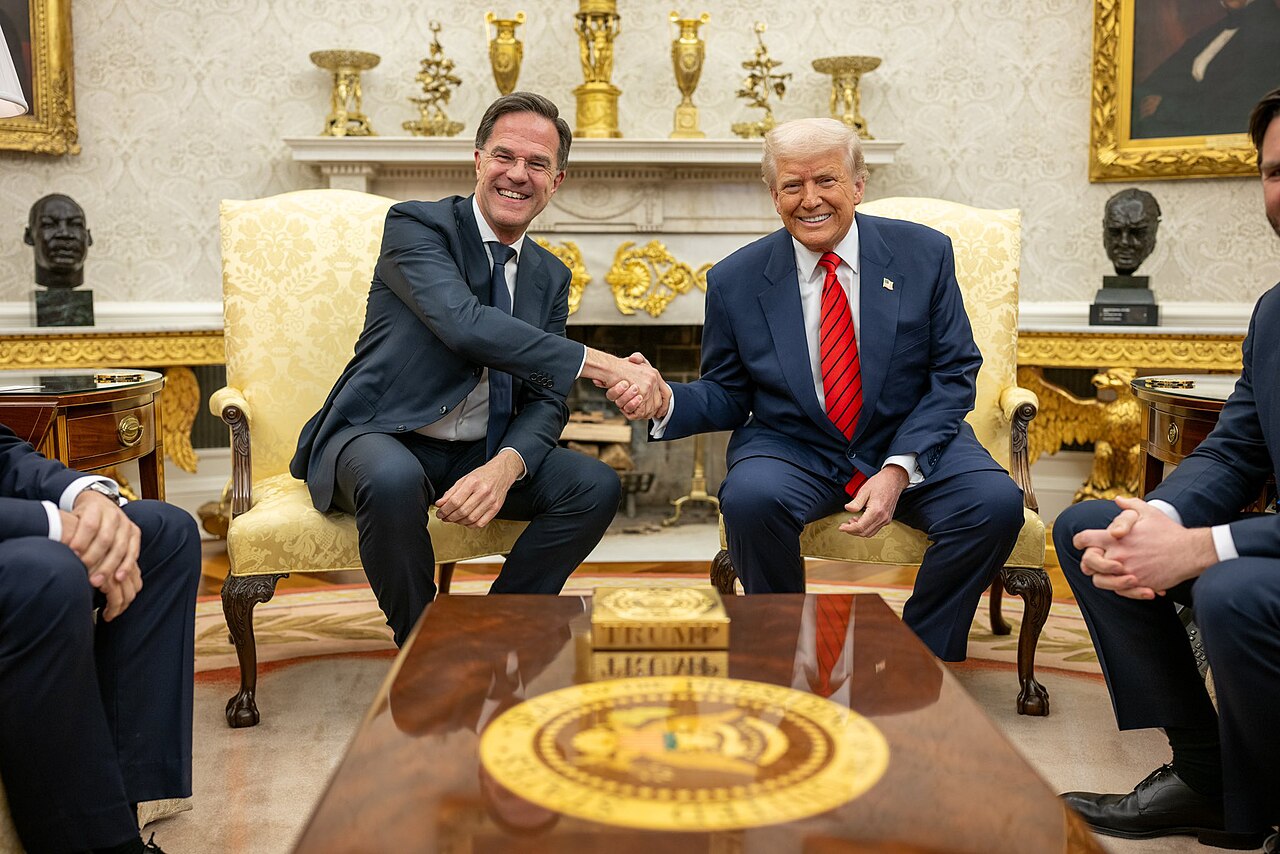
The headline figure is €70 billion a year in military assistance to Ukraine for 2026 and 2027, roughly €140 billion in total, structured as about €30 billion annually in European Union loan financing plus about €40 billion a year in bilateral aid from European NATO members and Canada, per RFE/RL’s coverage of Rutte’s pre-summit briefing. That structure matters because it splits the burden across two different financing mechanisms rather than relying on a single pot.
| Commitment | Figure | Detail |
|---|---|---|
| Ukraine military aid | €70 billion per year (2026-2027) | About €140 billion over two years |
| EU loan share | ~€30 billion per year | Coordinated EU loan financing |
| Bilateral share | ~€40 billion per year | Direct from European members and Canada |
| Spending target | 5% of GDP by 2035 | 3.5% core defense plus 1.5% broader security |
| Current level (Europe + Canada) | ~4% of GDP in 2026 | Up ~USD 139 billion nominal in 2025 |
Alongside the Ukraine pledge, allies restated the defense-spending trajectory agreed at the June 2025 Hague summit: a move toward 5% of GDP by 2035, split into 3.5% for core defense spending and 1.5% for broader defense-related investment such as infrastructure, cyber and industrial capacity, with a review point in 2029. Rutte told reporters ahead of Ankara that European members and Canada are already tracking toward roughly 4% of GDP in 2026.
The spending math: from 2% to 5%
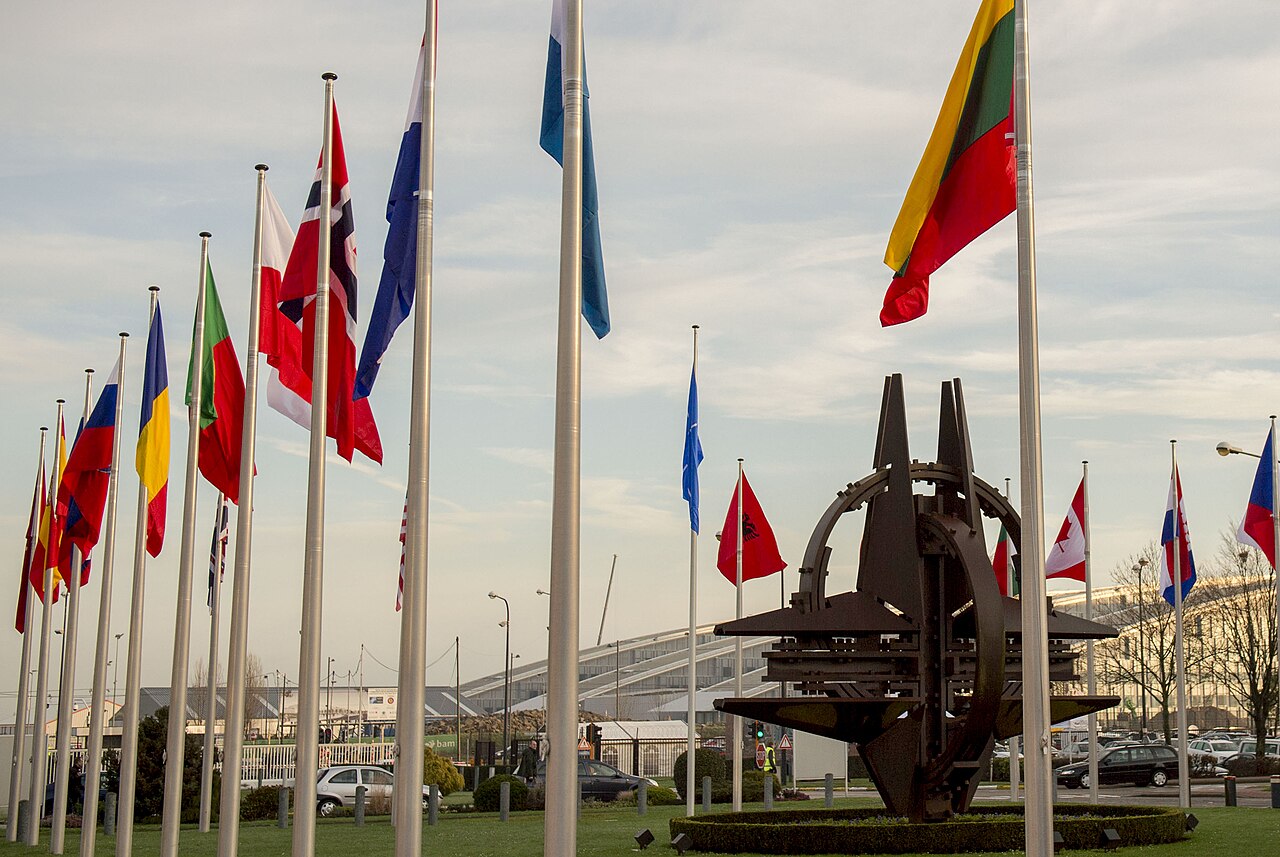
To see how large the shift is, it helps to line up the benchmarks. The 2% figure that dominated alliance politics for a decade was itself a 2014 target; the 5% goal more than doubles it, and reclassifies what counts as defense spending in the process.
| Benchmark | Level | Set at | Status |
|---|---|---|---|
| Original pledge | 2% of GDP | 2014 Wales summit | Most allies now meet it |
| Current, Europe + Canada | ~4% of GDP | 2026 tracking | Up ~USD 139 billion nominal in 2025 |
| New target | 5% of GDP (3.5% + 1.5%) | 2025 Hague summit | Deadline 2035, review 2029 |
The jump from a benchmark most members struggled to reach three years ago to one that reclassifies infrastructure and industry as security spending is the real story of the last two summits. The 1.5% “broader security” tranche is doing quiet work here: it lets governments count roads, ports, cyber defense and industrial capacity toward the target, which both eases the political lift and acknowledges that modern deterrence is as much about logistics and production as about tanks.
Financing Ukraine: two pipelines
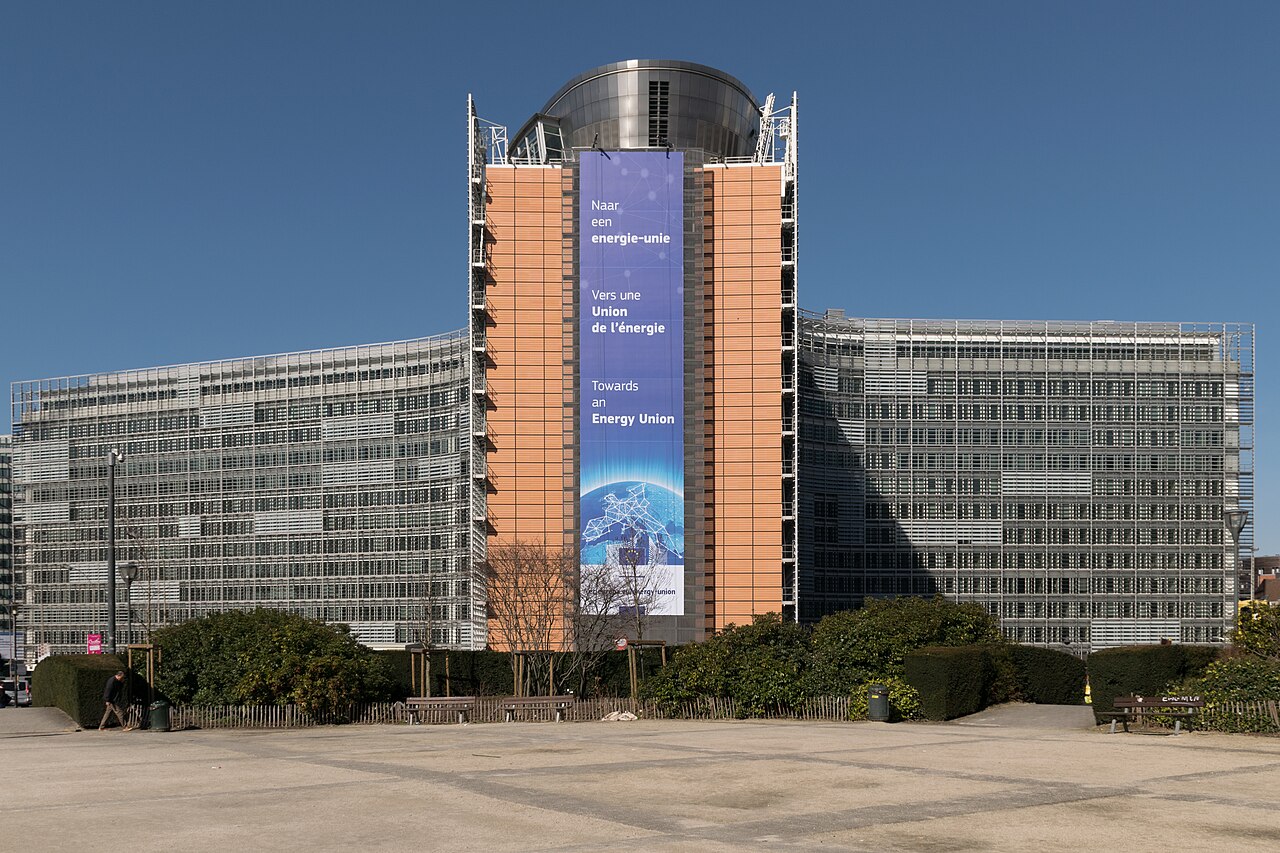
The €70 billion annual pledge is not one transfer but two overlapping systems. The bilateral track lets individual capitals move fast on national procurement timelines without waiting for a unified EU decision. The EU track gives Brussels a coordinated lever: the European Commission has separately presented a financial support package for Ukraine covering 2026-2027, a roughly €90 billion loan facility split about two-thirds toward military needs and one-third toward budget support. The summit pledge and the EU facility are related but not identical: the former is the allied political commitment announced at Ankara, the latter the Commission’s own financing instrument that helps fund it.
Splitting the money this way is deliberate. A single pot is easier to announce but slower to spend, since it moves at the pace of the slowest consenting capital. Two pipelines let the coalition keep flowing interceptors and shells to Ukraine even when one track stalls, which matters because Ukraine’s air-defense stocks are being drawn down faster than any single financing decision can replace them.
Why Ankara: the strait that shapes the Black Sea
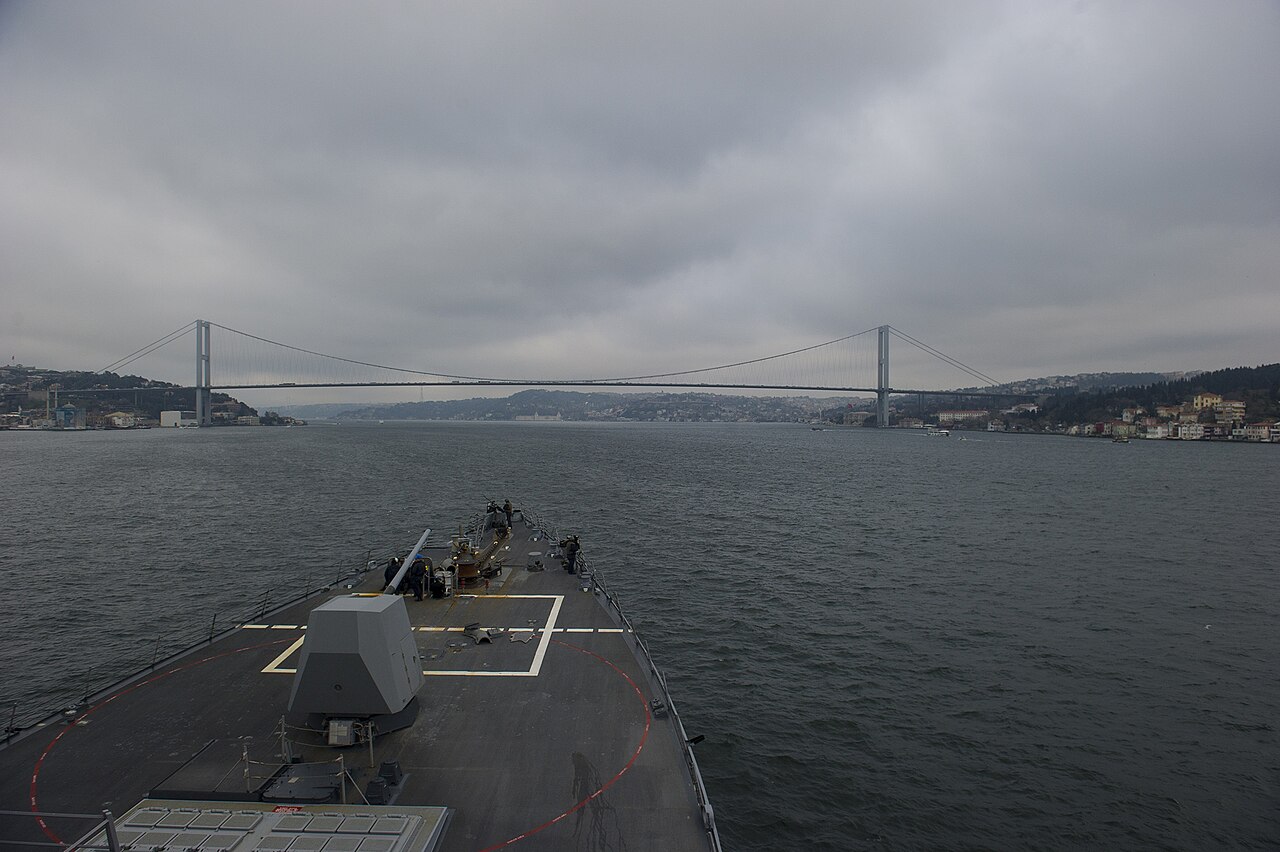
Turkey last hosted a NATO summit in Istanbul in 2004, and its selection this year is itself a signal. Ankara sits at the alliance’s southeastern flank and controls the Bosphorus and Dardanelles straits, the only maritime gateway between the Mediterranean and the Black Sea. Under the 1936 Montreux Convention, Turkey regulates the passage of warships through those straits, a lever it has used during the war to limit naval reinforcement of the Black Sea. Hosting the summit there puts the alliance’s Ukraine and Russia messaging on Moscow’s more immediate periphery rather than in Brussels.
Turkey brings more than geography. It fields NATO’s second-largest standing military after the United States, roughly 355,000 active personnel, and it has built a fast-growing defense industry: Al Jazeera reported Turkish arms exports reached about USD 7.1 billion in 2024, up from roughly USD 1.9 billion a decade earlier. For an alliance whose central argument this year is that spending pledges only matter if they translate into production, a host that has visibly scaled its own arms output is a pointed choice of venue.
The hardware behind the pledges
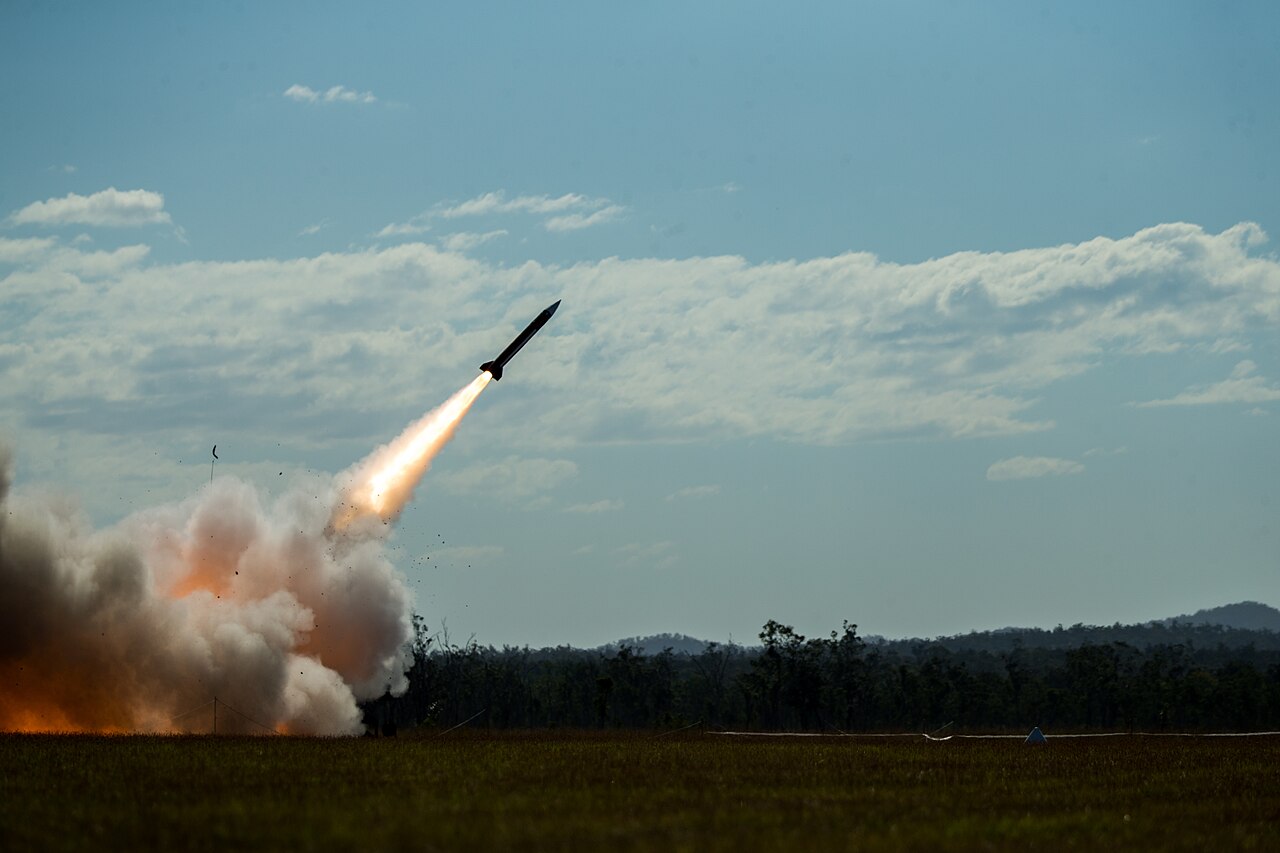
A budget line becomes deterrence only when it buys and sustains real systems. The war in Ukraine has made air defense the single most stressed category: mass missile and drone barrages force defenders to spend expensive interceptors against a mix of cheap and sophisticated threats, and stocks deplete faster than factories refill them. The systems below, all named in the alliance’s own supply and procurement discussions, are the kind the €70 billion is meant to keep flowing. Figures are the published values catalogued by WeaponSpecs from public sources.
| System | Class | Origin | Reach and payload | Top speed |
|---|---|---|---|---|
| Patriot PAC-3 | Air defense | United States | 60 km, up to 24 km altitude, 8 targets | Mach 5 |
| SAMP/T (Aster 30) | Air defense | France | 120 km, up to 20 km altitude, 10 targets | Mach 4.5 |
| IRIS-T SLM | Air defense | Germany | 40 km, up to 20 km altitude | Mach 3 |
| NASAMS | Air defense | Norway | 25 km, up to 15 km altitude | Mach 4 |
| Sea Viper (Aster 30) | Naval SAM | United Kingdom | 120 km, 15 kg warhead | Mach 4.5 |
| F-35A Lightning II | Fighter | United States | 1,240 km combat radius, 8,160 kg payload | Mach 1.6 |
| Eurofighter Typhoon | Fighter | Multi-national | 1,389 km combat radius, 9,000 kg payload | Mach 2.35 |
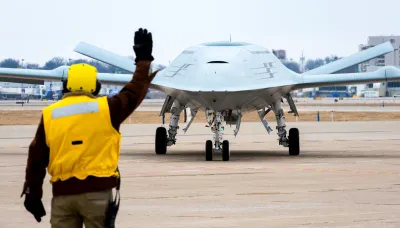
The pattern in that table is the point. The layered air-defense set, long-reach SAMP/T and Sea Viper at the top, medium-range IRIS-T SLM and shorter-range NASAMS filling the tiers below Patriot, is exactly the mix a country needs to defend cities against everything from ballistic missiles to slow drones. Every one of these depends on a production line that takes years to expand, tool and staff. That is why the Defense Industry Forum on the summit’s sidelines, convening manufacturers such as Lockheed Martin, Rheinmetall and BAE Systems alongside government delegations, matters as much as the headline aid figure: a pledge to spend more is only as good as the factories that can absorb it. WeaponSpecs covered one recent example of a national plan aimed squarely at that bottleneck, the UK’s £298 billion Defence Investment Plan, unveiled just before the summit opened, and the interceptor sustainability squeeze that has made air-defense output the war’s defining industrial contest.
The Trump question: burden-sharing versus capability
The summit also lands amid continued questions from Washington about NATO cohesion. President Trump has repeatedly criticized European allies for what he has characterized as chronic underspending relative to the United States, and Rutte’s pre-summit remarks were pointedly framed around demonstrating that allies are increasing investment on their own initiative rather than under threat of withdrawn U.S. support. The nominal USD 139 billion year-over-year rise in European and Canadian spending is a genuine jump, and the fact that all members except Spain signed the 5% target suggests the political consensus is real, even if several members remain well short of the eventual figure.
Whether that framing satisfies Washington’s underlying concern is a separate question from whether the increase translates into capability. Money committed is not capacity delivered: the gap between a 5%-of-GDP pledge and a fielded interceptor is measured in factory shifts and multi-year contracts, not in communique language. That is the honest tension at the center of Ankara: the political will has arguably never been higher, and the industrial base has never been more clearly the binding constraint.
By the numbers
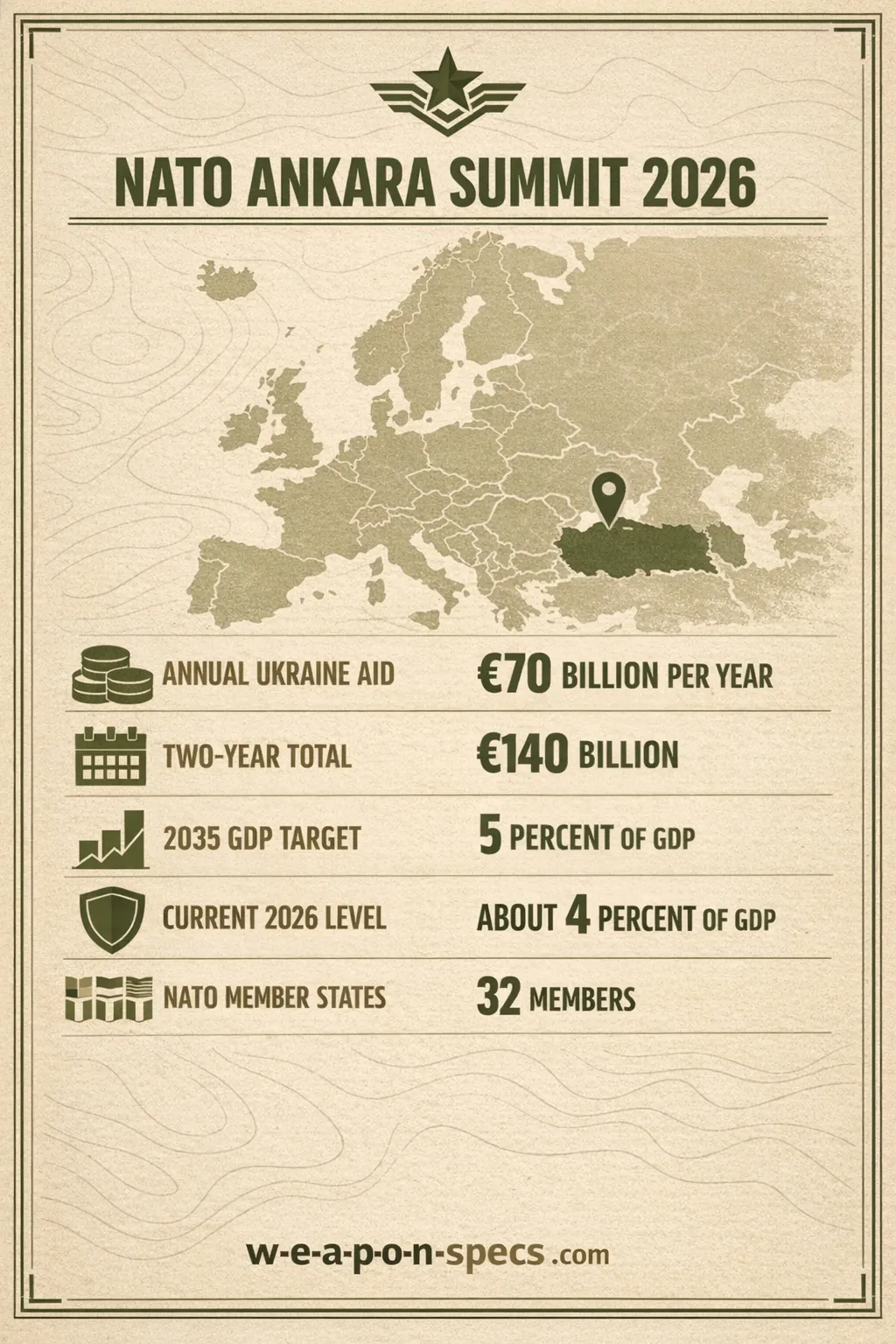
Infographic: WeaponSpecs News Desk
Sources
- Overview: 2026 NATO Summit in Ankara — NATO, Jul 1, 2026
- NATO Secretary General previews the Ankara Summit, highlights progress on defence spending — NATO News, Jul 6, 2026
- Rutte Says NATO Allies On Track To Match US Defense Spending — RFE/RL, Jul 6, 2026
- NATO Summit 2026 Schedule: Full Agenda for Ankara Meeting on July 7-8 — WION, Jul 6, 2026
- The Hague Summit Declaration — NATO, Jun 25, 2025
- Defence expenditures and NATO's 5% commitment — NATO, Jun 26, 2025
- Wales Summit Declaration (Defence Investment Pledge) — NATO, Sep 5, 2014
- NATO Secretary General's Annual Report shows significant increase in defence investment — NATO, Mar 26, 2026
- Montreux Convention Regarding the Regime of the Straits — Wikipedia, Jul 20, 1936
- Here's a look at Turkiye's booming defence industry — Al Jazeera, Mar 17, 2025
- Commission presents financial support package for Ukraine 2026-2027 — European Commission, Jan 14, 2026
- Deadly Russian strikes hammer Kyiv on eve of Trump trip to NATO summit — CNN, Jul 6, 2026
Systems mentioned
Every system named in this story, with its photo and, where available, a video. Tap a card to open the full spec sheet.
Compare these side by side →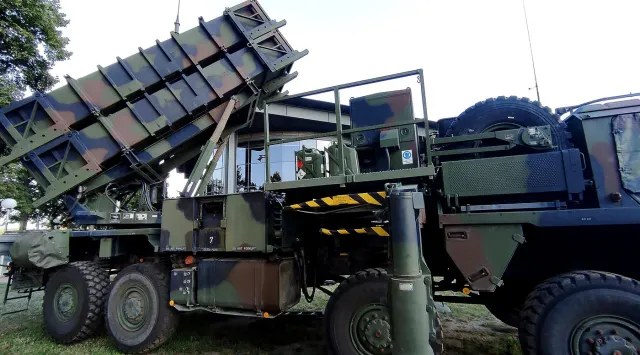
Air defense system
Patriot PAC-3
Air defense system
SAMP/T (Aster 30)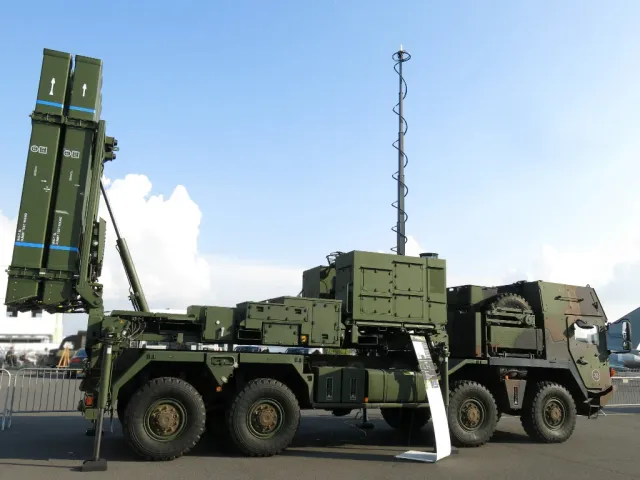
Air defense system
IRIS-T SLM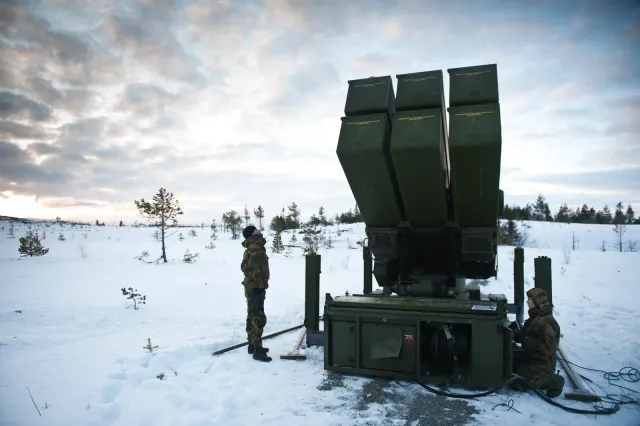

Missile
Sea Viper (Aster 30)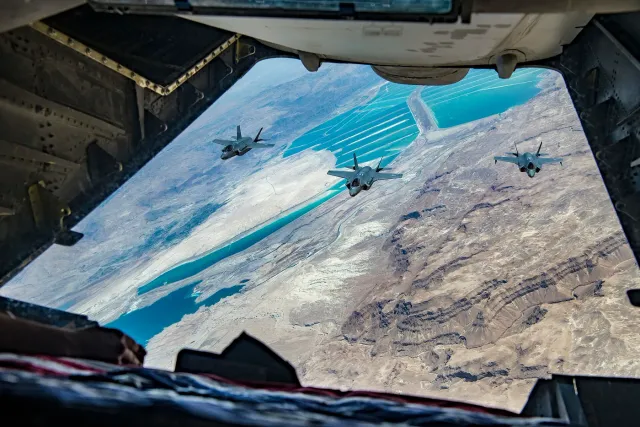
Fighter aircraft
F-35A Lightning II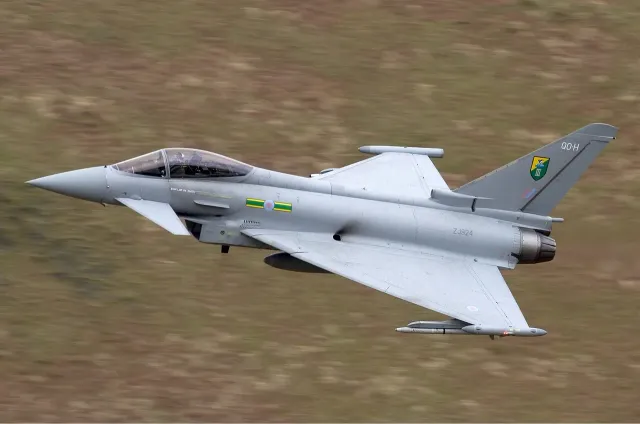
Fighter aircraft
Eurofighter TyphoonFrequently asked questions
What is NATO's new defense spending target? +
NATO is moving toward a 5% of GDP target by 2035, split between 3.5% for core defense and 1.5% for broader defense-related security such as infrastructure, cyber and industry. That target was agreed at the June 2025 Hague summit and reaffirmed at Ankara. It replaces the older 2% benchmark set at the 2014 Wales summit.
How much military aid is going to Ukraine annually? +
Allies pledged €70 billion a year for 2026 and 2027, about €140 billion combined, made up of roughly €30 billion a year in EU loan financing plus roughly €40 billion a year in bilateral aid from European NATO members and Canada.
How much has European defense spending actually risen? +
NATO's Secretary General reported that European allies and Canada increased defense spending by close to USD 139 billion in nominal terms in 2025, about a 20% jump on 2024. Europe and Canada are tracking toward roughly 4% of GDP in 2026, up from a time when most members sat below 2%.
Why was the summit held in Ankara? +
Turkey controls the Bosphorus and Dardanelles straits under the 1936 Montreux Convention, which lets it regulate warship passage into the Black Sea. It also fields NATO's second-largest standing military and a fast-growing arms industry. Hosting the summit there placed the alliance's Russia and Ukraine messaging on Moscow's immediate periphery.
Why is Trump's view on burden-sharing a focus of this summit? +
President Trump has repeatedly criticized allies for spending too little on their own defense. The Ankara pledges were framed to show allies increasing investment on their own initiative, independent of pressure from Washington, though several members remain short of the 5% target.
Which weapon systems does the aid most directly affect? +
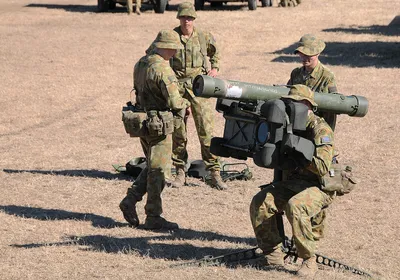
Air defense above all: systems like the Patriot PAC-3, the French-Italian SAMP/T, Germany's IRIS-T SLM and Norway's NASAMS are exactly the interceptors Ukraine has burned through defending against mass missile and drone barrages. Fighters such as the F-35A and Eurofighter Typhoon, and naval air-defense like Sea Viper, depend on production lines a spending pledge can only slowly expand.
More news