Finland Buys Swedish Air-Defense Missiles to Counter Russian Threats
Helsinki orders Saab RBS 70 NG short-range systems for €108M, battle-proven in Ukraine, as Nordic deterrence posture strengthens.
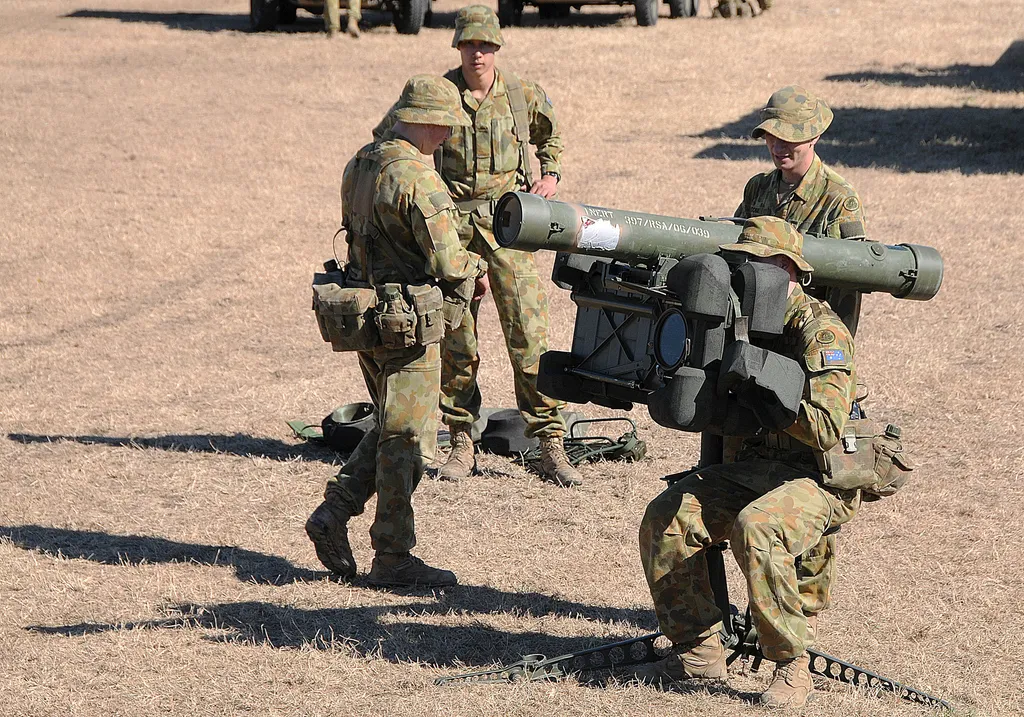
U.S. Navy photo by Petty Officer 1st Class Thomas E. Coffman, public domain, via Wikimedia Commons
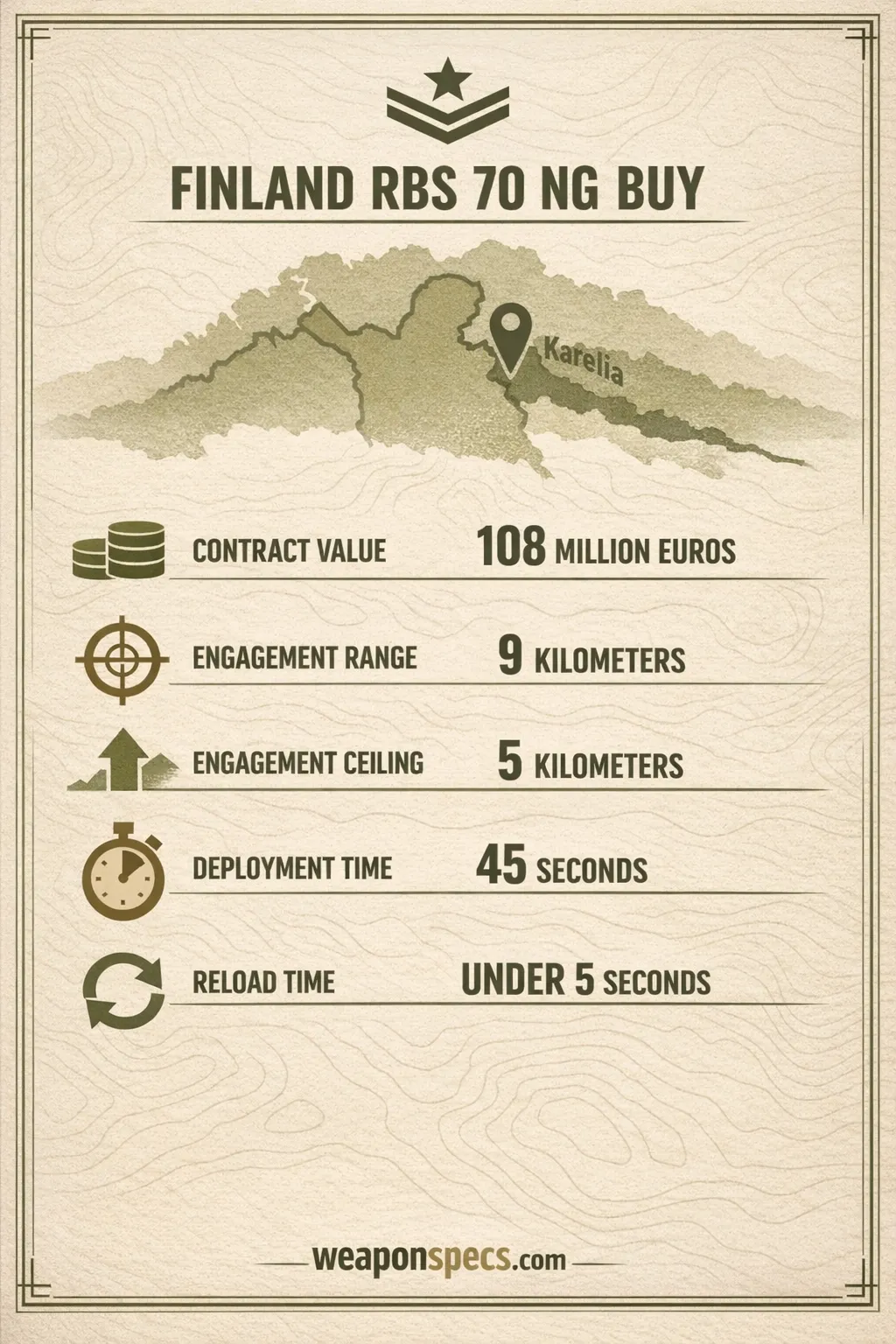
Finland announced procurement of Saab’s RBS 70 NG short-range air-defense system for €108 million, about $123.56 million, on July 3, adding a combat-proven, jam-resistant missile system to its ground-based defenses along the country’s 1,340 kilometer border with Russia, according to The Defense Post. The order includes firing devices, training equipment and a full maintenance ecosystem, with full operational capability targeted around 2030.
The RBS 70 NG is a man-portable and vehicle-mounted short-range air-defense missile that uses laser-beam-riding guidance rather than radar or infrared homing, a design choice that makes it effectively unjammable against the electronic-warfare countermeasures that have degraded other air-defense systems in recent conflicts, according to Army Recognition. The system has seen combat use in Ukraine against Russian drones and low-flying aircraft since 2022, which is precisely the operational track record Finland is buying into: not an unproven design, but a system with several years of real wartime performance data behind it.
What does the RBS 70 NG actually do, and why does that matter for Finland?
The system engages targets out to roughly 9 kilometers in range and 5 kilometers in altitude, deploys in about 45 seconds from a standing start, and reloads in under 5 seconds between shots, according to Janes. Those numbers describe a system built for a specific tactical niche: intercepting fast, low-altitude threats, drones, helicopters and low-flying fixed-wing aircraft, at ranges too short for larger systems like the Patriot PAC-3 or SAMP/T Aster 30 to be the efficient tool of choice. Those longer-range systems are built to intercept ballistic missiles and higher-altitude aircraft over tens of kilometers; using one against a small quadcopter or a hedge-hopping helicopter is often neither cost-effective nor tactically necessary when a cheaper, faster-reacting short-range system can do the job.
That gap, countering the growing volume of cheap drones and low-flying threats rather than higher-value ballistic and cruise missile targets, has become one of the defining lessons of the war in Ukraine, where both sides have relied heavily on inexpensive drones precisely because they can saturate and exhaust more expensive long-range interceptor stocks. WeaponSpecs has tracked that dynamic directly: Ukraine’s own interceptor stockpiles for systems like the Patriot have come under severe strain during the large-scale Russian strikes on Kyiv covered in recent reporting, a pattern that underscores why Finland, and NATO more broadly, is prioritizing cheaper, faster-reloading short-range systems as a first line of defense rather than relying exclusively on high-end interceptors for every incoming threat.
Why Finland, and why now?
Finland joined NATO in 2023, ending decades of formal military non-alignment, a shift driven directly by Russia’s full-scale invasion of Ukraine. Its 1,340 kilometer border with Russia, the longest of any NATO member, gives Helsinki a uniquely exposed frontage that has driven a broader pattern of accelerated defense procurement since accession, of which this RBS 70 NG order is one piece. According to Yle’s domestic coverage, the order is explicitly framed around closing the country’s short-range air-defense gap against exactly the kind of low-flying drone and rotorcraft threats that have proliferated across the Russia-Ukraine front line.
Training for the new system will be based at the Salpausselkä Air Defence Battery within the Karelia Brigade, according to Defence Industry Europe, a unit whose name and location, in Finland’s southeastern Karelia region abutting the Russian border, itself signals where this capability is intended to be positioned operationally. Full operational capability is not expected until around 2030, but initial deliveries and early training are expected well before that, likely in 2027 or 2028, meaning the practical deterrent effect of the order will build gradually over the back half of this decade rather than arriving all at once.
Who else uses this system, and what does that say about the choice?
Beyond Finland, the RBS 70 family is fielded by the United Kingdom, Australia and Lithuania among other NATO and allied operators, with Saab of Sweden as the manufacturer. That existing operator base matters for Finland’s decision in a practical sense: buying into a system already fielded by multiple allied militaries, several of them fellow NATO or Nordic partners, simplifies future interoperability, spare-parts logistics and shared training doctrine compared with adopting a less widely fielded alternative. It is also worth noting the contrast with the kind of system Finland is defending against: Russian-aligned forces have relied heavily on man-portable systems like the 9K38 Igla, an older Soviet-designed shoulder-fired missile still in wide use, underscoring how this entire class of short-range, human-portable air-defense weapon has become a persistent feature on both sides of the current European security environment, not a niche or legacy category being phased out.
By the numbers
Infographic: WeaponSpecs News Desk
Sources
- Finland Approves Procurement of Saab RBS 70 NG MANPADS — The Defense Post, Jul 6, 2026
- Finland Orders €108M Saab RBS 70 NG Air Defense Systems to Counter Low-Flying Aircraft and Drones — Army Recognition, Jul 3, 2026
- Finland Intends to Procure RBS 70 NG MANPADS — Janes, Jul 3, 2026
- Finland buys updated Swedish air defence system — Yle, Jul 3, 2026
- Finland Places Order for Saab's RBS 70 Missiles — Defence Industry Europe, Jul 4, 2026
Systems mentioned
Every system named in this story, with its photo and, where available, a video. Tap a card to open the full spec sheet.
Compare these side by side →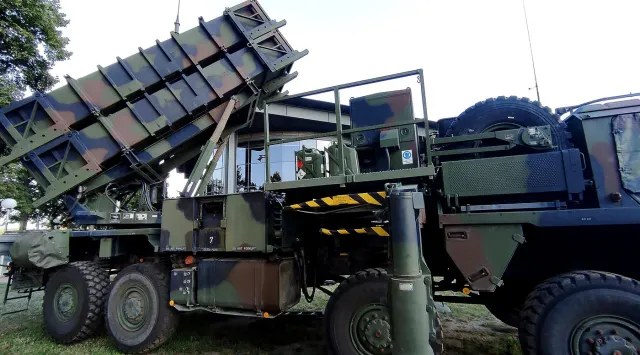
Air defense system
Patriot PAC-3
Air defense system
SAMP/T (Aster 30)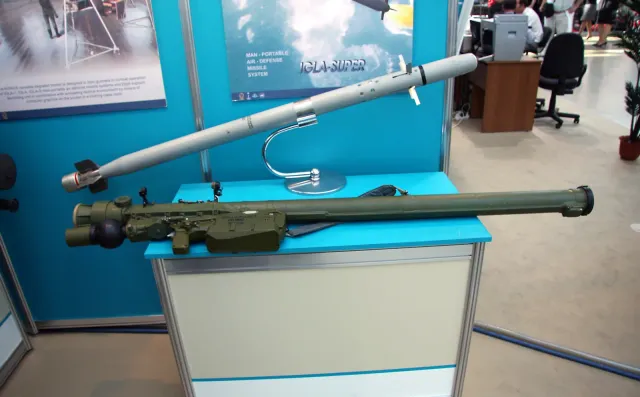
Frequently asked questions
What makes the RBS 70 NG effective against modern threats? +
It uses laser-beam-riding guidance, which is immune to radar and infrared jamming, deploys in about 45 seconds and reloads in under 5 seconds. It has been used in combat in Ukraine against Russian drones and aircraft since 2022.
Why is Finland procuring this system now? +
Finland shares a 1,340 kilometer border with Russia and joined NATO in 2023. The RBS 70 NG fills a short-range air-defense gap against low-flying drones and rotorcraft that longer-range systems are not optimized to counter.
When will the system be fully operational in Finnish service? +
Finland expects full operational capability around 2030, with training beginning at the Salpausselkä Air Defence Battery within the Karelia Brigade. Initial deliveries are expected before that, likely in 2027 or 2028.
Which other countries operate the RBS 70 system? +
The United Kingdom, Australia and Lithuania are among the other NATO and allied operators. The system is manufactured by Sweden's Saab.
More news