Why Only 22% of Weapons Publish a Price
Of 1,017 systems in the WeaponSpecs database, only 22% publish a unit cost. Pistols disclose 84% of the time; missiles 10%, munitions zero.
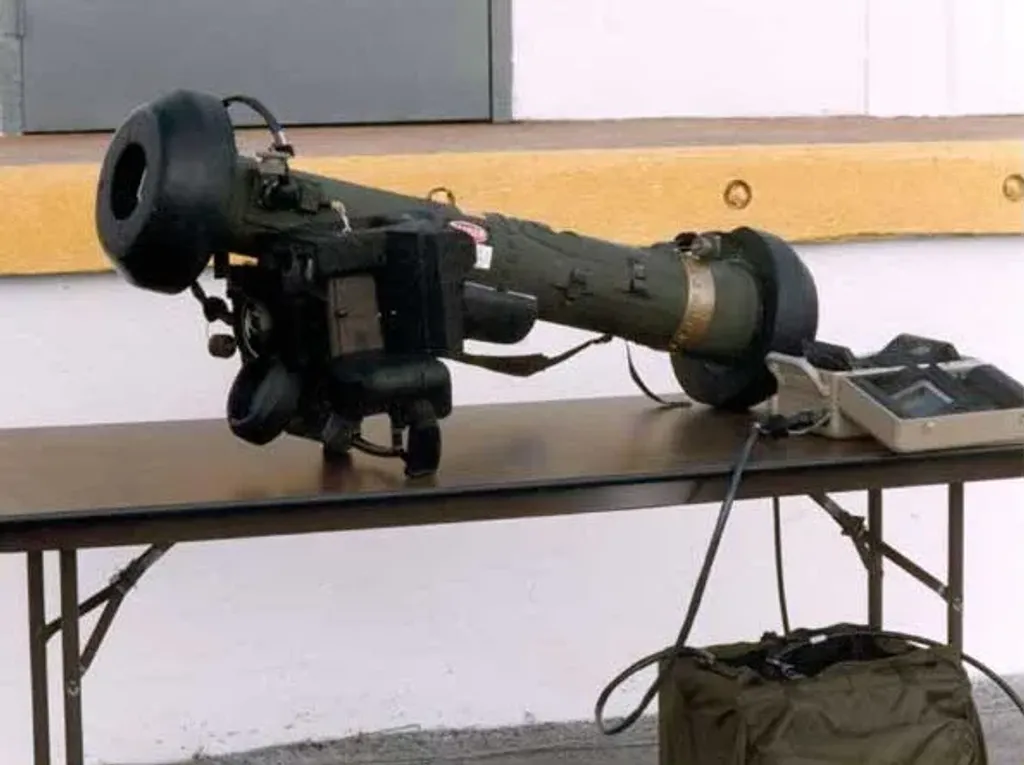
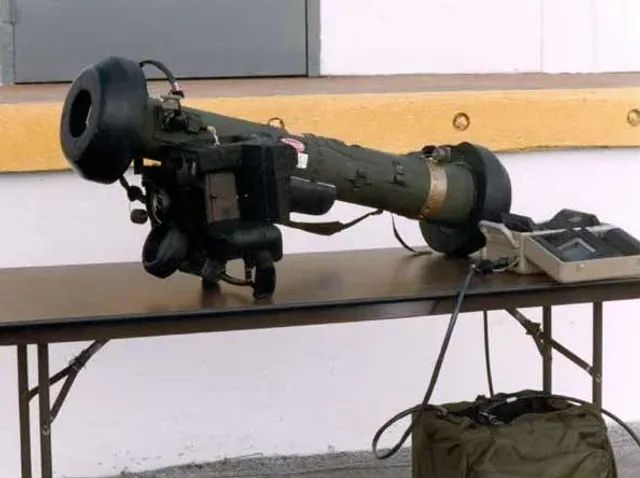
Via Wikipedia, FGM-148 Javelin (shown for identification)
Of the 1,017 weapon systems in the WeaponSpecs database, only 227 publish a unit cost, 22%. The other 790, 78%, have no reliable public price attached to them at all. Break that number down by category and it gets starker: pistols disclose a price 84% of the time, guided missiles 10%, and munitions, the single largest unpriced category in our data, 0%. If you are trying to build a procurement budget from public sources alone, you are working from a fifth of the picture, and the fifth you have is skewed toward the cheapest, least strategically sensitive hardware in the inventory.
Which categories disclose a price, and which stay silent?
Rank every system type in the database by disclosure rate and a clear pattern emerges: the closer a system sits to a consumer or export-catalog market, the more likely it is to carry a public number. The closer it sits to strategic strike or ammunition resupply, the less likely.
| System type | Publishes a price | Rate |
|---|---|---|
| Pistols | 21 / 25 | 84% |
| Fighters | 33 / 59 | 56% |
| Rifles | 37 / 80 | 46% |
| Transport aircraft | 6 / 18 | 33% |
| Warships | 23 / 71 | 32% |
| Helicopters | 14 / 47 | 30% |
| Submarines | 9 / 32 | 28% |
| UAVs / drones | 17 / 71 | 24% |
| Tanks | 10 / 55 | 18% |
| Air defense | 12 / 69 | 17% |
| Artillery | 6 / 49 | 12% |
| IFVs | 7 / 66 | 11% |
| Guided missiles | 21 / 202 | 10% |
| Munitions | 0 / 84 | 0% |
Read that table as a transparency gradient, not a random scatter. Small arms and crewed platforms with export catalogs (fighters, transport aircraft) sit at the top. Munitions, guided missiles, IFVs and artillery, the categories a buyer actually needs recurring cost data on to build a real sustainment budget, sit at the bottom. A blank cell in our database means no reliable public unit cost was found for that system, not proof that no price exists anywhere. Classified program budgets and restricted export contracts routinely carry real prices that never surface publicly.
Why do pistols and rifles top the transparency list?
The 84% disclosure rate for pistols is not a triumph of institutional openness. It is market structure. A pistol is, in most of the world, a commercial retail product. The Glock 17 lists at roughly $550 in commercial channels, a number any dealer or manufacturer catalog will confirm, because it has to. Consumer firearms compete on a retail shelf, and retail shelves carry price tags.
Rifles follow the same logic at 46%, still well above every military platform category in the table. Compare that to munitions at 0%. A round of artillery ammunition or a guided bomb kit is never sold over a counter, its cost is buried inside a government line-item budget, a classified program, or an opaque foreign military sales package, and almost none of that reaches a public spec sheet. The gap between pistols and munitions is not a gap in how important the data is to a buyer. Munitions cost data matters enormously for sustainment planning. It is a gap in whether the product ever touches a market that requires a sticker price.
Does country of origin predict disclosure?
Yes, and the gap is close to three-to-one. Western and allied systems in our database publish a unit cost 27% of the time, 197 of 730 systems. Systems from Russia, China, Iran and North Korea publish one only 10.5% of the time, 30 of 287 systems.
Part of that gap is structural: NATO-aligned defense industries operate inside more open procurement and export-disclosure regimes, and allied governments face domestic budget-transparency requirements that non-market economies do not. But the gap is not proof that Western pricing is more honest, only that it is more frequently published. Where Russian, Chinese, Iranian or North Korean price figures do appear in open sources, including for widely covered systems, treat them the same way you would treat any other state or manufacturer claim: unverified until an independent source confirms them. The Kh-47M2 Kinzhal, Russia’s air-launched hypersonic strike missile, has no public unit cost in our database at all, which is itself consistent with the pattern: high-end strike weapons, regardless of origin, are the least transparent category in the entire dataset. For broader context on how little of the global arms trade carries public pricing at any stage, see the SIPRI Arms Transfers Database, which tracks transfer volumes precisely because transaction values are so rarely disclosed.
What the disclosed prices actually mean, and don’t
Even among the 22% that do publish a number, the figures are not apples to apples. Consider the range our own database contains:
- The Glock 17 pistol: roughly $550, a commercial retail price.
- The FGM-148 Javelin anti-tank missile: roughly $178,000 per missile, closer to a procurement unit cost.
- The F-22A Raptor: roughly $143,000,000 flyaway, from a production run that closed years ago and cannot be re-priced at today’s rates.
- The Gerald R. Ford-class carrier: roughly $13,300,000,000, which is the total lead-ship program cost, not a clean per-unit flyaway price at all.
Stack those four next to each other on a naive chart and you get a number spanning seven orders of magnitude that looks like a clean comparison. It is not. A commercial retail tag, a per-round procurement average, a closed-production flyaway figure, and a total-program cost for a single lead ship are four different kinds of number, drawn from different years and, in some cases, different currencies converted at different exchange rates. Every one of them is directional. None of them is a fact you can drop into a budget model unadjusted. The Ford figure in particular inflates any comparison that treats it as a “carrier’s price” rather than what it actually is: the accumulated cost of designing and building the first ship of a new class, most of which will not recur on hull two or three.
This is the caveat that matters most in this entire dataset: a published number tells you a figure exists somewhere, not that it means what a casual reader assumes it means.
Why the price gap matters for buyers
A database that is 78% blank on cost is still useful, but only if you know what the blanks are actually telling you. They are not telling you a system is free, or priceless, or unavailable. They are telling you that public disclosure and strategic sensitivity move in opposite directions, and that the categories where a buyer most needs recurring cost visibility, munitions, missiles, armored vehicles, artillery, are precisely the categories least likely to hand it to them.
If you are building a real procurement comparison, do not rely on a single headline number for any system, ours included. Run the platforms you are evaluating through the Compare tool to see specs side by side with the same caveats attached, or use the Advisor to work through a threat and budget profile system by system, so the missing 78% doesn’t quietly bias the decision toward whatever happens to have a price tag attached.
Systems in this comparison
Every system covered above, with its photo and, where available, a video. Tap a card to open the full spec sheet.
Compare these side by side →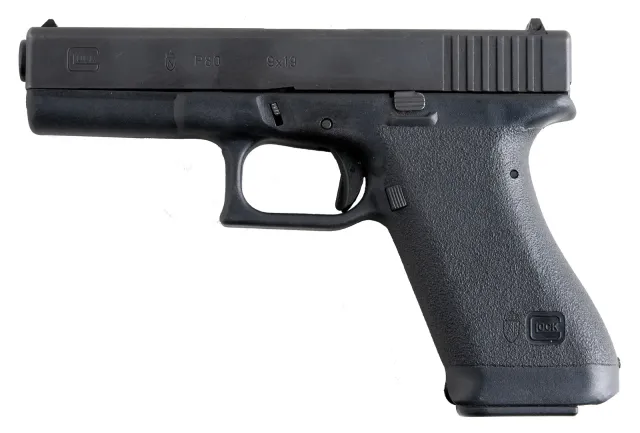
Missile
FGM-148 Javelin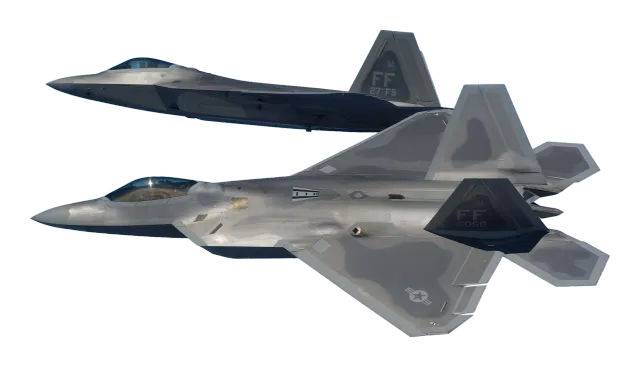
Fighter aircraft
F-22A Raptor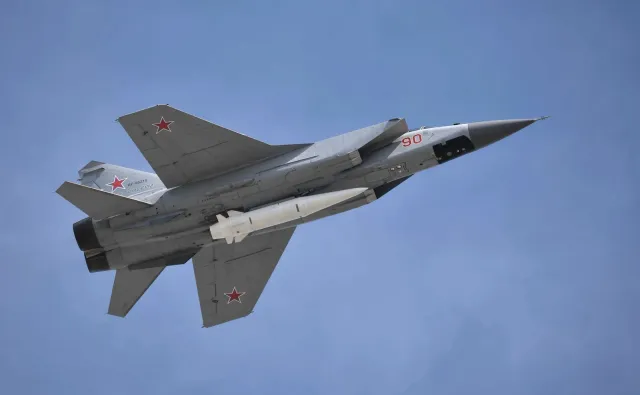
Missile
Kh-47M2 KinzhalFrequently asked questions
How many weapon systems publish a unit cost? +
In the WeaponSpecs database of 1,017 systems, 227 (22%) list a public unit-cost figure. The other 790 have no reliable public price on record.
Which weapon category is most price-transparent? +
Pistols, with 84% (21 of 25) publishing a price, followed by fighter aircraft at 56% and rifles at 46%. Consumer-market small arms carry retail prices, which is why they lead.
Which categories almost never publish a price? +
Munitions disclose 0% (0 of 84) and guided missiles just 10% (21 of 202). Strategic and precision-strike systems are the least transparent.
Are Russian and Chinese systems less price-transparent? +
In our data, systems from Russia, China, Iran and North Korea publish a price 10.5% of the time (30 of 287) versus 27% (197 of 730) for Western and allied systems.
Is a published unit cost the same as the real cost? +
No. Recorded figures mix flyaway, procurement-average and total-program costs across different years and currencies, so treat every one as a directional claim, not an exact price.
Related reading