How to Choose a Frigate: The Naval Buyer's Guide
A naval buyer's guide to frigates, VLS cells, radar, cost vs destroyers, and local-build vs export options compared.
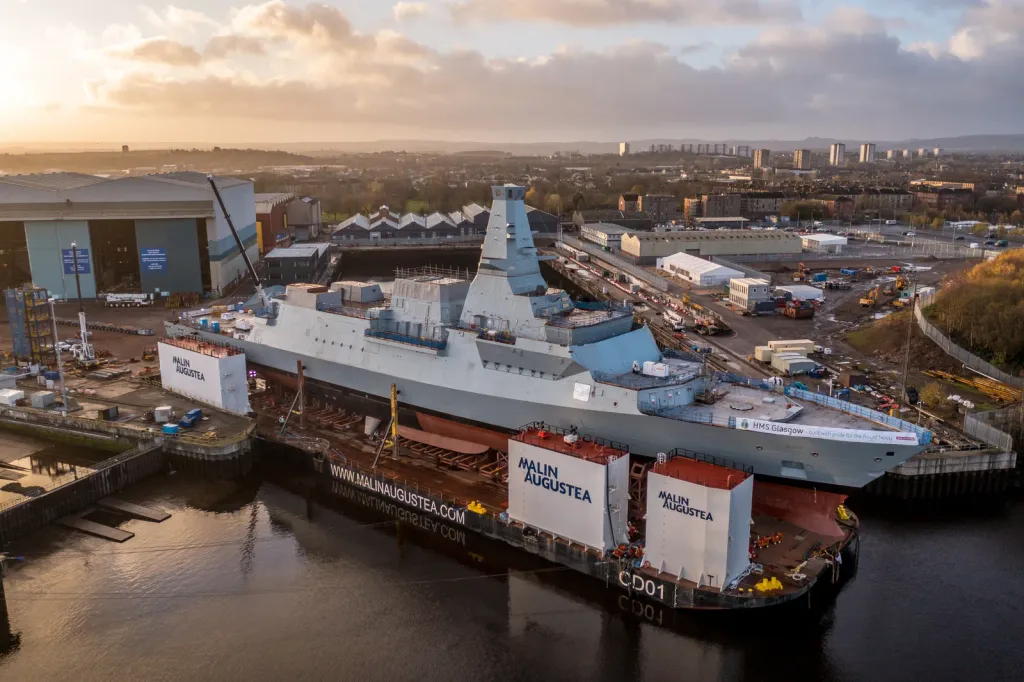
Via Wikipedia, Type 26 frigate (shown for identification)
The frigate is the workhorse of every modern navy, not the flagship that gets the magazine cover, but the hull that actually shows up: convoy escort, anti-submarine patrol, counter-piracy, and the routine presence missions that destroyers are too expensive to fly every day. Buying one means trading off four things against a budget that never stretches as far as the requirement document assumes: how many VLS cells you can afford, how capable the radar and combat system need to be, what the unit and life-cycle cost actually is once support contracts are included, and whether you build at home for sovereignty or import a proven design faster and cheaper. Get that trade-off wrong and you end up with a hull that’s either too thin to survive its own mission or too expensive to buy in the numbers a navy actually needs.
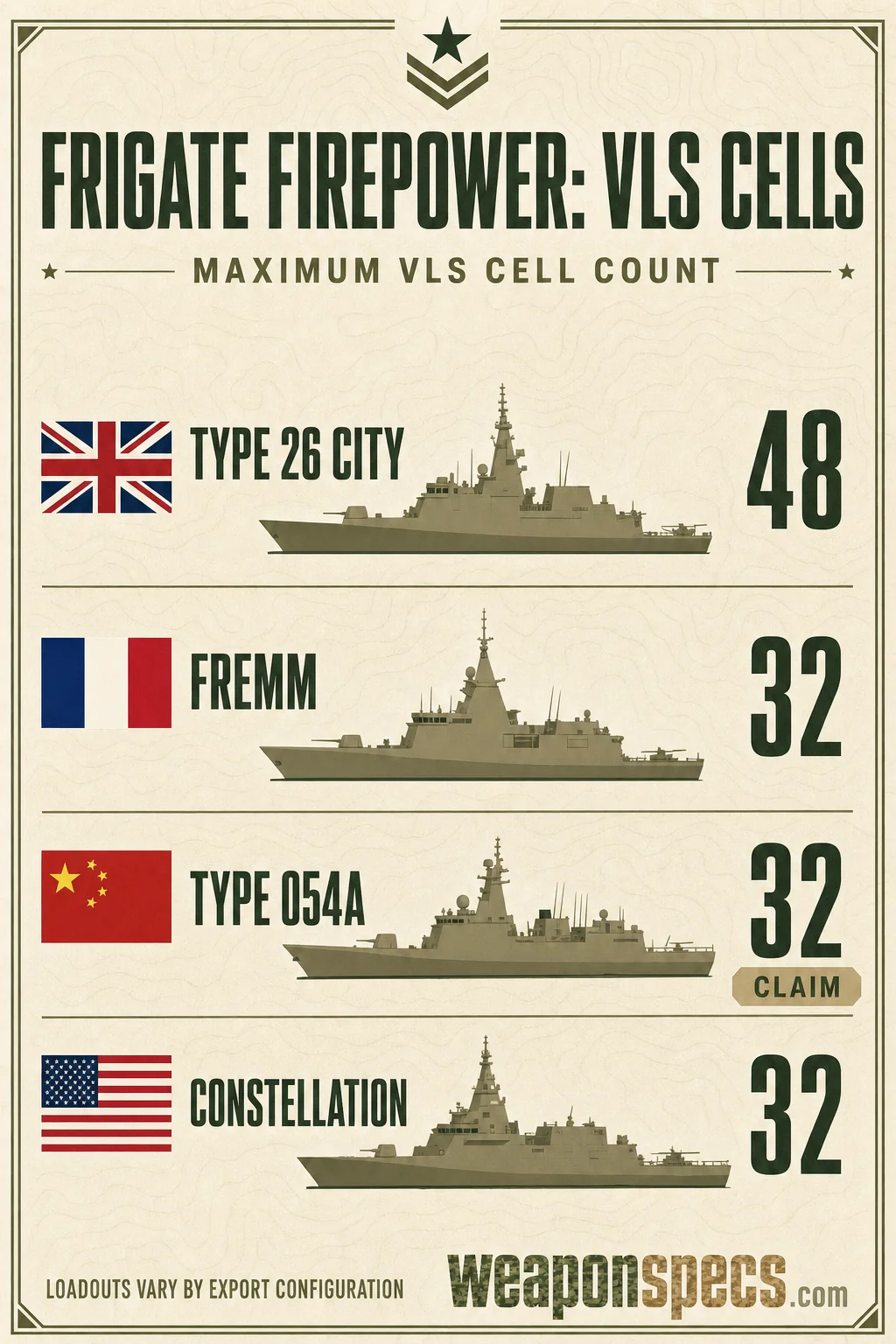
Frigates at a glance
| Frigate | Displacement | VLS Cells | Main Sensor | Origin |
|---|---|---|---|---|
| Type 26 City-class | ~8,000 t | 24-48 (Mk 41 + Sea Ceptor) | Artisan 3D radar | UK |
| FREMM | ~6,000-6,700 t | 16-32 (Sylver A50) | Thales/Leonardo multi-role radar | France/Italy |
| Type 054A | ~4,000-4,500 t | 32 (VLS, vertical-launch) | Type 382 radar (state claims) | China |
| Constellation-class | ~7,400 t | 32 (Mk 41) | Enterprise Air Surveillance Radar | USA |
Figures are drawn from public program documentation and open-source naval references; exact combat-system loadouts vary by export configuration and are frequently classified beyond the baseline numbers above.
Mission first: ASW, AAW, or multi-role
The single biggest mistake in frigate procurement is picking a hull before picking a mission. Anti-submarine warfare (ASW) frigates like the Type 26 are built around acoustic quieting, raft-mounted machinery, low-noise propulsion, towed-array sonar, because a frigate that’s loud is a frigate that dies to a submarine it never detected. Air-defense-leaning frigates prioritize radar aperture and VLS depth instead, accepting a noisier hull in exchange for layered missile defense against aircraft and anti-ship missiles. Multi-role designs like the FREMM split the difference, and that compromise is exactly why they’ve sold well on the export market, a navy that can’t afford separate ASW and AAW classes buys one hull that does both adequately rather than two hulls it can’t crew.
The honest framing: a frigate optimized for everything is a frigate optimized for nothing in particular. Buyers need to rank their actual threat environment, submarine-heavy chokepoints versus missile-saturated littorals versus general presence and escort duty, before comparing sensor suites. See the full type breakdown under /types/warship/.
VLS cells and the combat system behind them
Vertical Launch System cell count gets quoted like a horsepower figure, and that’s a mistake. Twenty-four Mk 41 cells loaded with quad-packed ESSM give a very different air-defense picture than twenty-four cells loaded with single-round SM-2, same number, roughly four times the simultaneous engagement capacity in the first case. The cell count matters far less than what the combat system can actually track and prioritize at once, which is a function of radar aperture, processing power, and the missile families the ship is certified to fire.
This is also where interoperability becomes a procurement issue, not just a technical one. A Mk 41-equipped frigate can draw on the deepest, most combat-tested missile inventory in the West, Standard Missile variants, ESSM, Tomahawk in some configurations. A Sylver-equipped FREMM draws on Aster missile family depth instead. Neither is wrong, but switching combat-system families mid-program, or trying to integrate a non-native missile onto a foreign VLS, is one of the most expensive mistakes a naval procurement office can make. Decide the missile ecosystem before signing the hull contract, not after.
Cost versus a destroyer, where the money actually goes
The classic pitch for the frigate is “80 percent of the destroyer’s capability at half the price,” and that pitch is roughly true for unit cost but breaks down once life-cycle economics enter the picture. A frigate in the $700 million-$1.5 billion range buys meaningfully less radar aperture, fewer VLS cells, and a smaller crew than a $1.5-2.5 billion destroyer, but it also costs less to crew, fuel, and maintain over a 25-30 year service life, and navies buy frigates in far greater numbers, which matters when the mission is presence and escort rather than high-end air defense of a carrier group.
The trap is treating frigate cost as fixed. Combat-system depth, VLS cell count, and sensor fit can push a “frigate” well into destroyer-adjacent pricing, the Constellation-class program has already seen cost growth during design finalization, a pattern common to any first-in-class Western warship. Buyers should budget for the fully-equipped configuration they intend to operate, not the base hull price quoted at contract signing.
Export versus local build: the sovereignty trade-off
This is the decision that determines almost everything else about the program. Buying an established export design, a FREMM variant, a Type 054A derivative, or a Type 26 export configuration, gets a navy a proven hull faster, with lower non-recurring engineering cost, because the design work is already amortized across other customers. The tradeoff is dependency: spare parts, software updates, and weapons integration flow through the exporting nation’s supply chain, which is a strategic liability if that relationship sours.
Building locally, or license-building a foreign design domestically, costs more up front and takes longer to stand up a shipyard capable of the work, but it builds sovereign industrial capacity, creates domestic jobs, and removes the single point of failure that comes with buying finished hulls abroad. Most mid-tier navies split the difference: buy the first one or two hulls built by the parent yard to compress the timeline, then transition later units to domestic or license-built construction once the workforce is trained. There’s no universally correct answer here, it’s a national-industrial-policy decision disguised as a procurement decision. Run your own shortlist through our comparison tool before committing, and check our naval procurement advisor for a structured walkthrough of the mission-to-hull matching process.
The bottom line
There is no best frigate, only the frigate that matches a navy’s actual mission, missile ecosystem, and industrial policy. Buyers who start with VLS cell count as the headline number are already asking the wrong question; start instead with the threat you’re built to counter (submarines, missiles, or general presence), then work backward to combat system, cell count, and finally build location. Skipping that order is how procurement offices end up with an expensive hull that’s excellent on paper and mismatched in the fleet.
Run the numbers yourself before the next budget cycle. Compare hulls side by side in our frigate and destroyer database, and browse more buyer analysis on the WeaponSpecs articles.
Systems in this comparison
Every system covered above, with its photo and, where available, a video. Tap a card to open the full spec sheet.
Compare these side by side →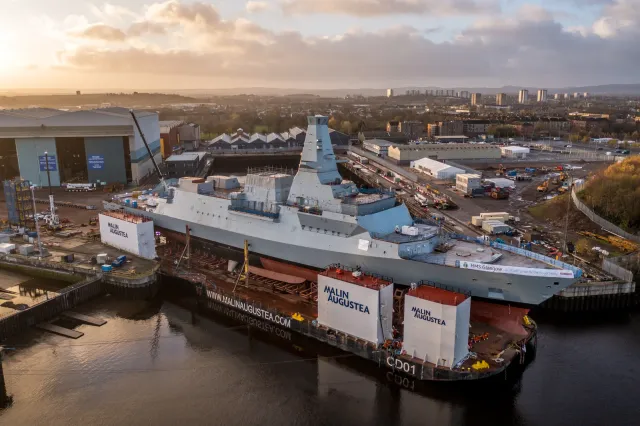
Warship
Type 26 City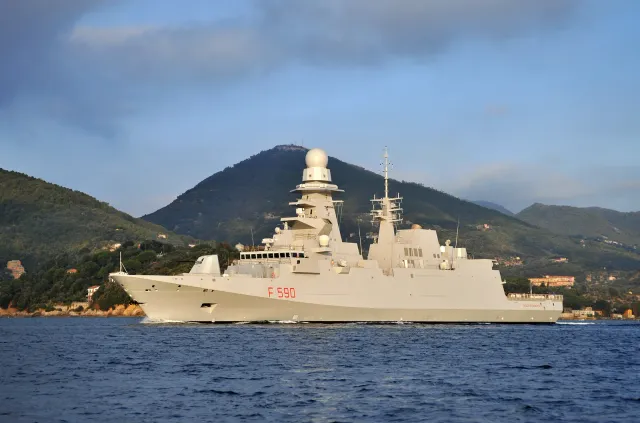
Warship
FREMM (Aquitaine class)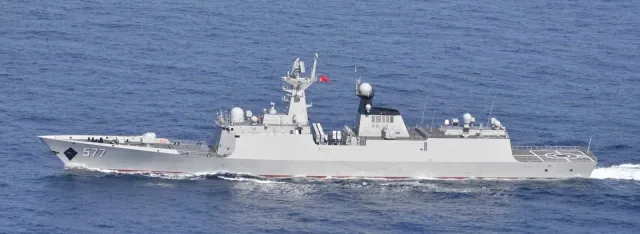
Warship
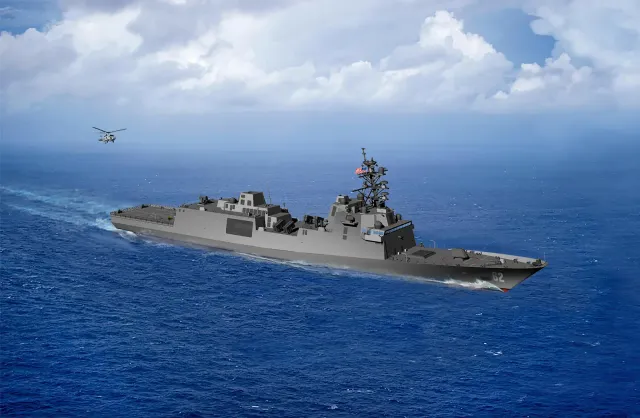
Constellation-class FrigateFrequently asked questions
What is the difference between a frigate and a destroyer? +
Frigates are smaller, cheaper, and typically carry fewer VLS cells and a lighter radar than destroyers, which trade size for greater air-defense range and command capacity. In practice the line has blurred, some modern frigates outgun older destroyers.
How much does a frigate cost? +
Approximately $700 million to $1.5 billion per unit depending on combat system, VLS count, and build location, versus $1.5-2.5 billion or more for a modern destroyer. Export and license-built variants can run lower, per public program data.
What are VLS cells and why do they matter? +
Vertical Launch System cells are the missile silos built into the deck that fire air-defense, anti-ship, and land-attack missiles. Cell count and compatibility determine how many threats a frigate can engage simultaneously and what missile families it can use.
What is the best frigate in 2026? +
There's no single best, it depends on mission. The Constellation-class and Type 26 lead on ASW quieting and combat-system depth, per public specs, while the FREMM balances multi-role flexibility with export cost. Match the platform to the threat, not the headline.
Should a navy build frigates locally or import them? +
Local build supports sovereignty, jobs, and long-term sustainment but costs more and takes longer to stand up. Importing or license-building a proven design like the FREMM or Type 054A is faster and cheaper but creates dependency on the exporting nation's supply chain.
Related reading