Patriot vs S-400 vs SAMP/T: Air-Defense Buyer's Guide
Patriot vs S-400 vs SAMP/T: Patriot suits US-aligned buyers, S-400 fits sanctions-tolerant states, SAMP/T is Europe's sovereign option.
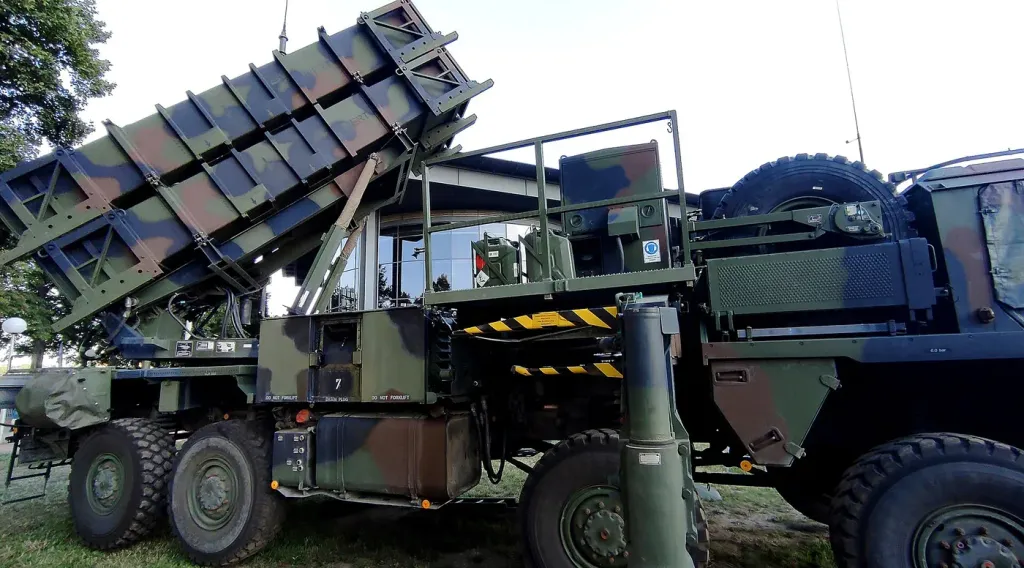
Lupus in Saxonia, CC BY-SA 4.0
Buying an air-defense system is a political decision wearing a technical spec sheet, and the choice usually resolves before the radar comparison even starts. If you’re a US treaty ally or FMS-eligible partner who needs a combat-proven, NATO-integrated shield against aircraft and ballistic missiles, the Patriot is the default answer. If you’re a state willing to accept sanctions exposure and isolation from Western supply chains in exchange for a lower price and no political strings, the S-400 is what Russia is selling. If you’re a European nation that wants sovereign production, NATO interoperability, and independence from US export approval, SAMP/T is the only serious option. Everything below explains why those three buyer profiles rarely overlap.
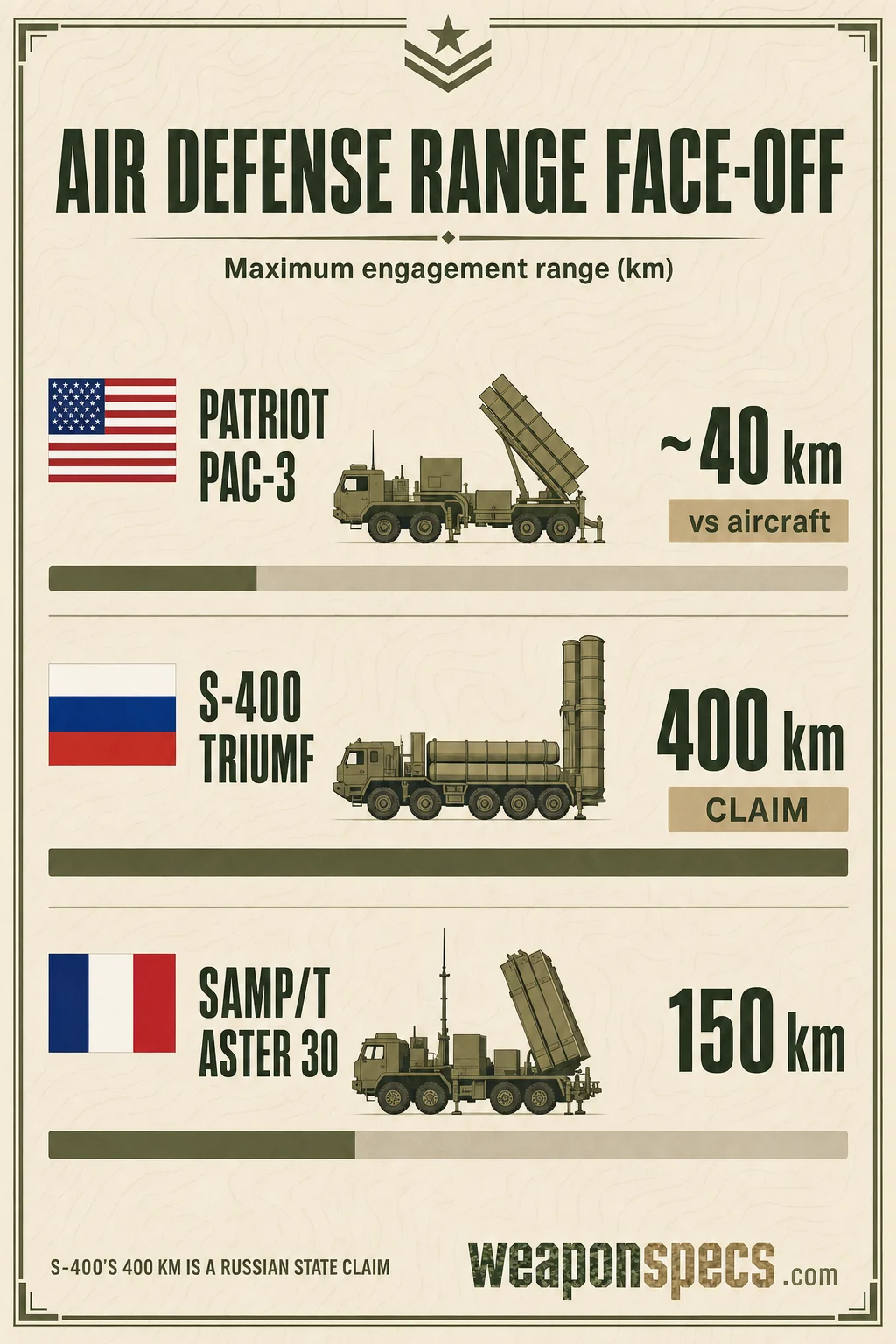
Engagement envelope: range and altitude on paper
Start with the numbers everyone quotes, because they matter less than buyers assume. The Patriot’s newest interceptor, PAC-3 MSE, engages aircraft out to roughly 35-40 km and ballistic missiles at shorter, altitude-dependent ranges, prioritizing hit-to-kill precision over sheer reach. Publicly disclosed US Army and Lockheed Martin figures back these numbers, and they’ve been validated in combat over Ukraine, Saudi Arabia, and Israel.
The S-400 claims a far bigger envelope: up to 400 km with the long-range 40N6 interceptor and engagement altitudes reportedly exceeding 30 km, according to Russian manufacturer Almaz-Antey and state media. Those figures are unverified by any independent Western test agency, and the 40N6’s real-world combat performance, including reported failures to intercept Ukrainian drones and cruise missiles at much shorter ranges, has raised open questions about whether the marketed numbers reflect battlefield reality.
SAMP/T’s Aster 30 sits in between. The original Aster 30 reaches roughly 100-120 km, while the newer Block 1NT variant, developed partly in response to lessons from Ukraine, pushes toward 150 km with improved ballistic-missile intercept capability. Eurosam and French/Italian defense ministries have published these figures with more transparency than Almaz-Antey, though still short of full independent third-party audit.
Simultaneous targets and radar architecture
Raw range is only half the picture, a system that can see 400 km away but only track a handful of targets loses to a shorter-range system that can process a saturation attack. The Patriot’s AN/MPQ-65 (and newer LTAMDS radar entering service) can track dozens of targets simultaneously and engage multiple threats per battery, a capability proven under real drone and missile salvos in recent conflicts.
The S-400 uses a layered radar suite, the 92N6E engagement radar plus longer-range acquisition radars, and Russian sources claim it can track up to 300 targets and engage 36 simultaneously across a battalion. Independent verification of that figure doesn’t exist, and the system’s real-world performance against drone swarms has been mixed, per open-source reporting from the Ukraine conflict.
SAMP/T’s Arabel/Ground Fire radar is a multifunction phased-array system that can track and engage multiple simultaneous targets per battery, with NATO-standard datalinks that let it share the air picture with other alliance systems in real time, a networking advantage neither the Patriot’s older radar variants nor the S-400 can match when operating inside a NATO command structure, simply because the S-400 was never designed to.
The procurement reality: export law, sanctions, and sovereignty
This is where the decision actually gets made, and it’s the part spec-sheet comparisons routinely skip.
Patriot: ITAR and the FMS gauntlet. Buying a Patriot battery means going through the US Foreign Military Sales process, State Department review, Congressional notification, and end-use monitoring agreements, all governed by the International Traffic in Arms Regulations (ITAR). Approval can take years, and Washington can attach conditions or slow-walk sales for political reasons, as it has done historically with several Gulf and Asian buyers. The payoff is a system embedded in an established sustainment network, common with dozens of allied air forces, and continuously upgraded through the same pipeline.
S-400: sanctions risk baked into the purchase. Russia doesn’t require Western-style export approval, which is exactly why some buyers choose it, no ITAR chain, often more flexible financing, and fewer end-use strings. But the trade-off is direct: Turkey’s 2019 S-400 purchase triggered US sanctions under CAATSA (the Countering America’s Adversaries Through Sanctions Act) and got Ankara expelled from the F-35 partner program entirely. India has faced similar sanctions-waiver pressure over its own S-400 deal. Any buyer today is choosing the system with open eyes toward that precedent, plus the added risk that Russia’s own wartime production and parts-supply capacity is under strain from its own sanctions exposure.
SAMP/T: the sovereign middle path. For European buyers, SAMP/T offers something neither superpower option does: an air-defense system built inside NATO, by NATO members, with no third-country export approval standing between the order and delivery. That’s precisely why France and Italy have pushed SAMP/T (and its successor, the jointly developed European sovereign air-defense concept) as the answer to European “strategic autonomy” concerns raised since 2022. The tradeoff is a smaller production base and fewer operational deployments than the Patriot’s decades-long combat history, SAMP/T’s most public test came defending Ukrainian airspace, where it reportedly performed credibly against Russian missiles, but the sample size remains thin compared to Patriot’s global record.
The numbers, side by side
| System | Max engagement range | Max altitude | Primary interceptor | Origin / export regime |
|---|---|---|---|---|
| Patriot (PAC-3 MSE) | ~35-40 km (aircraft); longer vs. ballistic | ~24 km | PAC-3 MSE | USA, ITAR/FMS approval required |
| S-400 Triumf | Up to 400 km (40N6, manufacturer claim) | 30 km+ (claimed) | 40N6 / 48N6 / 9M96 family | Russia, no Western export controls; CAATSA sanctions risk for buyers |
| SAMP/T (Aster 30 Block 1NT) | ~120-150 km | ~20 km | Aster 30 | France/Italy (Eurosam), EU sovereign, no ITAR chain |
Treat the S-400 column with the same caveat that applies everywhere else in this piece: those are Russian state and manufacturer figures, not independently audited results, and the system’s reported combat performance against smaller, low-flying targets has not always matched the marketed envelope.
Matching the system to the buyer, not the spec sheet
A Gulf state or Asian ally already flying US-made fighters and plugged into American logistics gains the most from the Patriot, the interoperability savings alone often outweigh a marginally shorter range on a competing system. A state cut off from Western arms markets, or one prioritizing price and independence from US approval chains over alliance integration, is the natural S-400 buyer, accepting the sanctions and isolation that come with it. And a European government trying to reduce dependence on US export decisions, while staying inside NATO’s command-and-control fabric, has essentially one credible domestically-built answer: SAMP/T.
None of the three is objectively “best” in a vacuum. Each is the correct answer to a different procurement question, and conflating the three, as headline range comparisons tend to do, misses what actually decides these contracts.
The bottom line
Range and altitude numbers make for a clean chart, but they’ve never been what decides a real air-defense procurement. The Patriot wins on combat-proven reliability and NATO integration at the cost of a slow, US-controlled export process. The S-400 wins on headline range and price at the cost of sanctions exposure and isolation from Western systems, and its figures carry a manufacturer-claim asterisk the Patriot’s don’t. SAMP/T wins on sovereignty and NATO-native interoperability at the cost of a shorter combat track record. Buyers who start with their political and alliance constraints, not the spec sheet, tend to land on the right system faster.
Run your own threat profile against these three, and other air-defense systems in the same class, with the Advisor tool, cross-check the Patriot vs S-400 breakdown directly, or browse the full air-defense category on WeaponSpecs. For more procurement-focused comparisons like this one, see the WeaponSpecs articles.
Systems in this comparison
Every system covered above, with its photo and, where available, a video. Tap a card to open the full spec sheet.
Compare these side by side →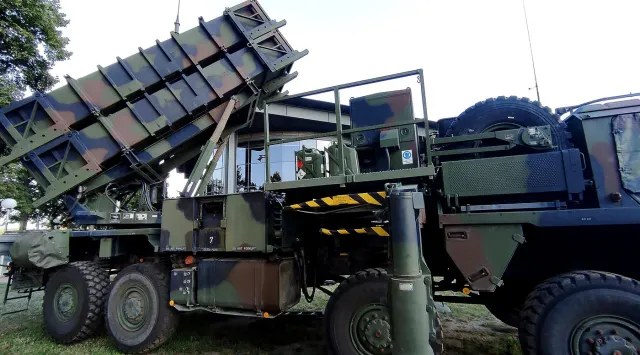
Air defense system
Patriot PAC-3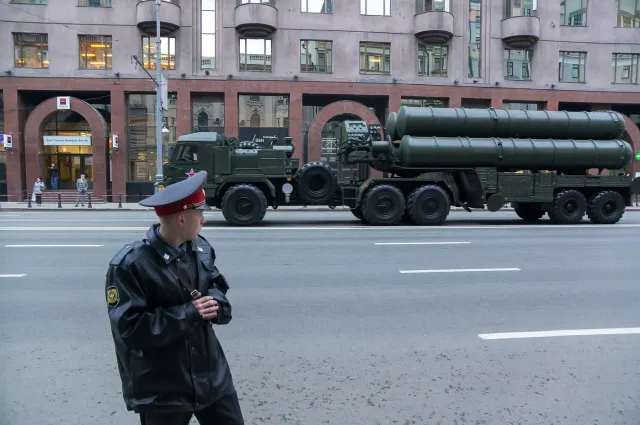
Air defense system
S-400 Triumf
Air defense system
SAMP/T (Aster 30)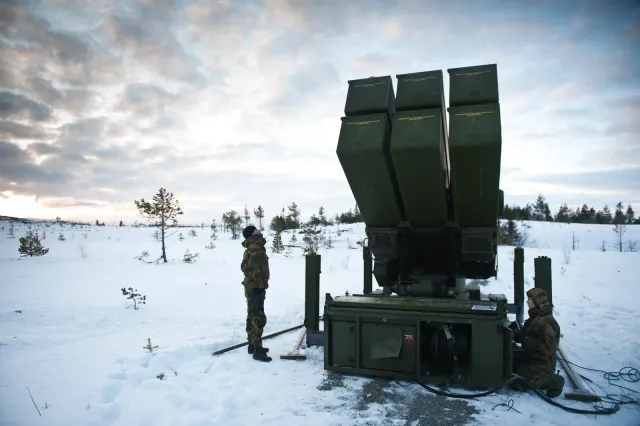
Frequently asked questions
Is the S-400 better than the Patriot? +
On paper the S-400 claims longer range and higher altitude coverage, but those figures are Russian state claims without independent verification. The Patriot's PAC-3 intercept record, NATO integration, and combat use in multiple theaters give it a stronger real-world track record for the mission most buyers actually need.
Why can't every country buy the Patriot? +
The Patriot is a US-origin system controlled under ITAR and the Foreign Military Sales process. Every export requires State Department and Congressional review, which can take years and comes with end-use restrictions, integration requirements, and political conditions attached to the sale.
What is SAMP/T? +
SAMP/T (Sol-Air Moyen Portee/Terrestre) is a Franco-Italian air-defense system built by Eurosam, using the Aster 30 interceptor. It gives European buyers a sovereign, non-US alternative with NATO-compatible architecture and no ITAR approval chain.
What happens if you buy the S-400? +
Buyers risk CAATSA sanctions exposure, as Turkey experienced after its 2019 purchase led to removal from the F-35 program. The system also cannot integrate into NATO's IFF and command networks, isolating it from allied air-defense architecture.
Which air-defense system has the longest range? +
The S-400 claims the longest range at up to 400 km with its 40N6 interceptor, per Russian manufacturer figures. The Patriot's PAC-3 MSE reaches roughly 35-40 km against aircraft and further against ballistic threats, while SAMP/T's Aster 30 Block 1NT reaches about 150 km, all figures should be compared against each buyer's actual threat envelope, not headline range alone.
Related reading