What Is a Fifth-Generation Fighter? (And Who Has One)
Fifth-generation fighter defined: stealth, sensor fusion, and networked combat, and exactly who fields one in 2026.
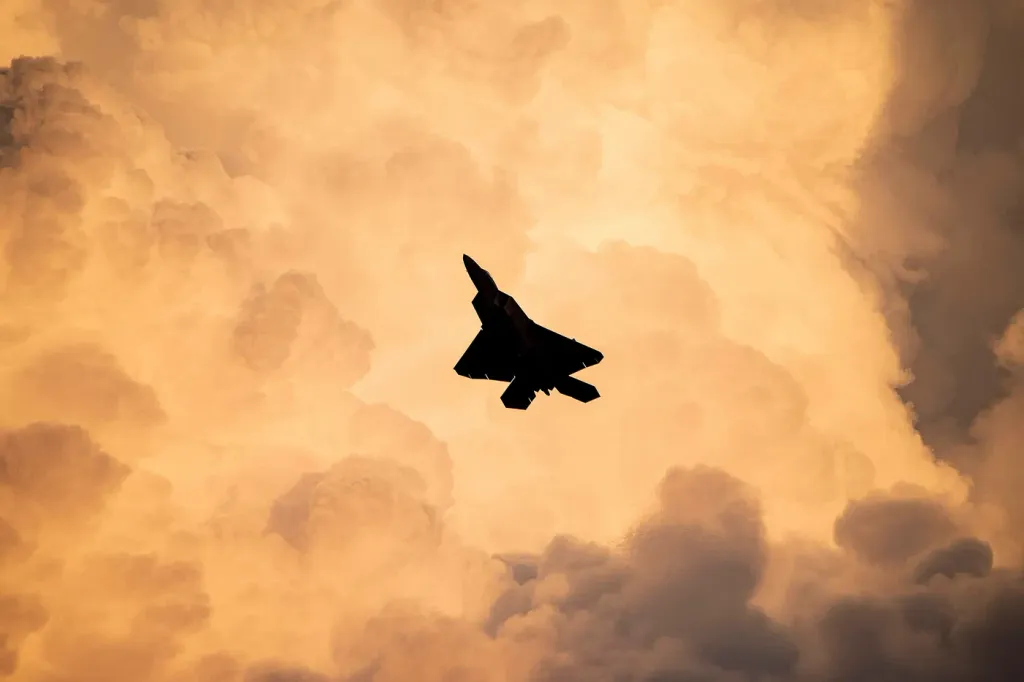
Lockheed Martin, official product image, background removed
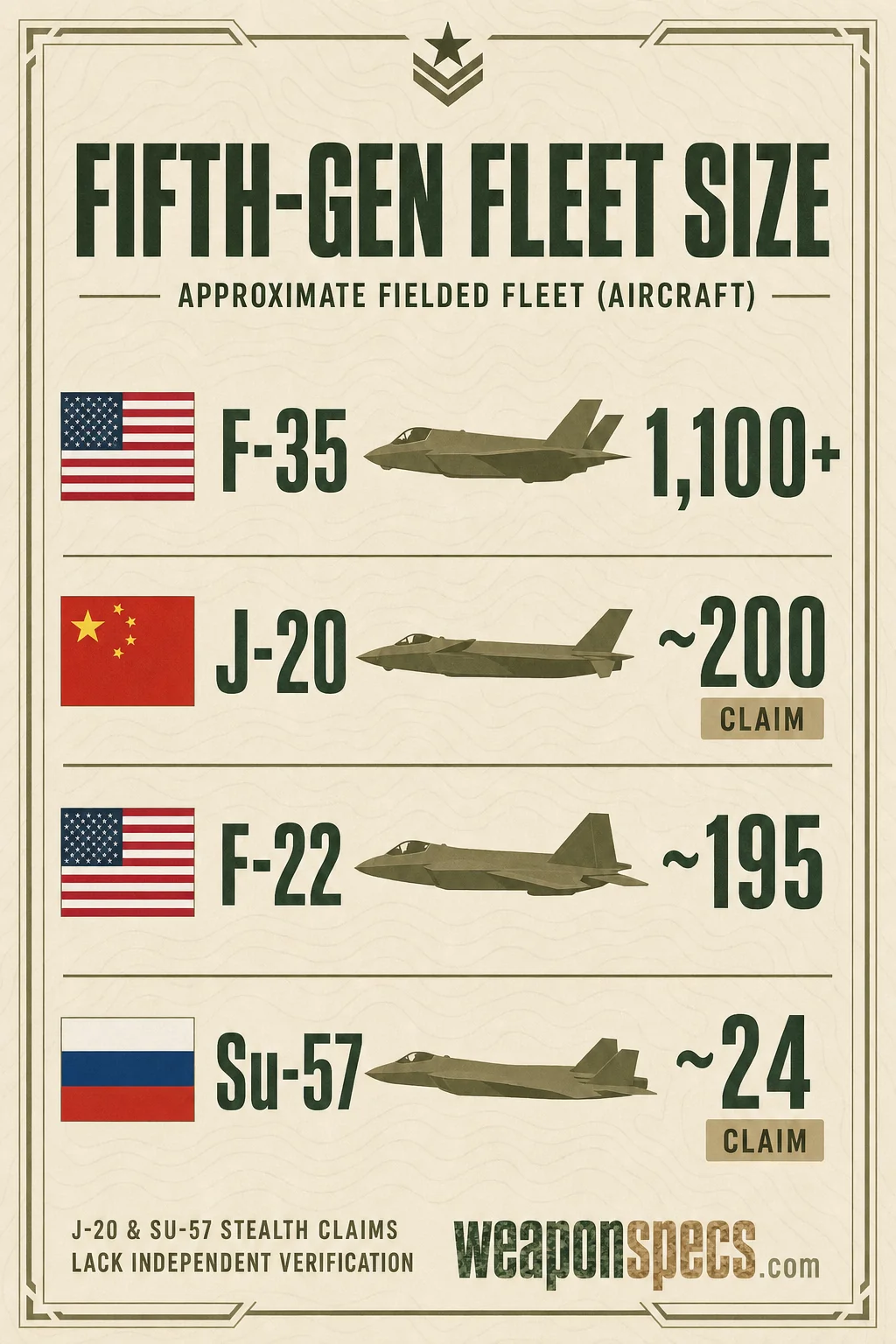
A fifth-generation fighter is defined by four things working together: very-low-observable stealth shaping, sensor fusion that merges radar, infrared, and electronic-warfare data into a single tactical picture, networked situational awareness shared with other aircraft in real time, and supercruise or high-alpha performance that doesn’t require afterburner to sustain speed. As of 2026, exactly three countries field aircraft marketed under that label: the United States with the F-22 Raptor and F-35 Lightning II, China with the J-20 Mighty Dragon, and Russia with the Su-57 Felon. Only the American jets have independently verified low-observable performance and an actual combat record; the J-20 and Su-57 rest heavily on manufacturer and state claims that outside analysts haven’t been able to confirm. That gap between marketing and verification is most of what this piece is about.
Where the “generation” label actually comes from
Fighter generations aren’t an official taxonomy handed down by some international standards body. They’re an industry shorthand, retroactively applied, that groups aircraft by which technological leap defined their design era. First-generation jets were early subsonic turbojets. Second added supersonic speed and basic radar. Third brought look-down/shoot-down radar and beyond-visual-range missiles. Fourth generation, the F-16/F-15/Su-27 era, refined agility, multirole flexibility, and pilot workload through better avionics. Fifth generation is where stealth stopped being a niche feature (like it was on the F-117) and became a fully integrated design requirement alongside sensor fusion.
The label sticks because it’s useful marketing shorthand as much as engineering description. Lockheed Martin and the U.S. Air Force popularized “fifth-generation” specifically to differentiate the F-22 and F-35 from “4.5-generation” upgrades like the Super Hornet or Typhoon, which added some sensor and stealth improvements to fundamentally fourth-gen airframes. That distinction is real, but it’s also a sales pitch, and it’s worth remembering when a manufacturer or state media applies the term to its own program.
The four pillars, one at a time
Very-low-observable stealth. This means more than a dark paint job. It’s consistent edge alignment across the airframe, radar-absorbent materials, internal weapons and fuel carriage to eliminate external radar reflectors, and careful shaping of intakes and exhaust to reduce infrared and radar signature from every angle, not just head-on. The F-22 and F-35 have over a decade of flight testing and classified-but-widely-estimated radar cross-section figures backing this up. The J-20 and Su-57 both use similar design logic in places, but neither has RCS figures confirmed by anyone outside their home governments.
Sensor fusion. A fifth-gen fighter’s radar, infrared search-and-track, and electronic-warfare systems don’t hand the pilot three separate feeds to reconcile mid-fight. They’re fused into one tactical picture on a single display, cutting the cognitive load of figuring out what’s actually a threat. The F-35’s AN/APG-81 AESA radar, Distributed Aperture System, and Electro-Optical Targeting System feeding a unified helmet display is the most mature public example of this pillar in action.
Networked situational awareness. Fifth-gen jets are built to share a fused picture with other aircraft, not just process their own sensors in isolation. The F-35’s Multifunction Advanced Data Link lets a flight of jets pool detections in near-real time with a low probability of intercept by adversary electronic warfare. This is the pillar hardest to verify from outside a program, since it depends entirely on datalink architecture that rarely gets demonstrated publicly.
Supercruise or high-performance flight. Sustained supersonic cruise without afterburner (true supercruise, which only the F-22 reliably demonstrates among the group) or extreme agility via thrust vectoring (the Su-57’s approach) round out the concept. This pillar varies the most between programs, which is part of why “fifth-generation” covers aircraft with genuinely different flight characters.
Who actually has one, and who’s still building
| Aircraft | Country | Status | Defining traits |
|---|---|---|---|
| F-22 Raptor | United States | Operational, production ended | True supercruise, air superiority focus, verified stealth, no export sales |
| F-35 Lightning II | United States | Operational, 1,100+ built | Sensor fusion leader, multirole, combat-proven, widest allied adoption |
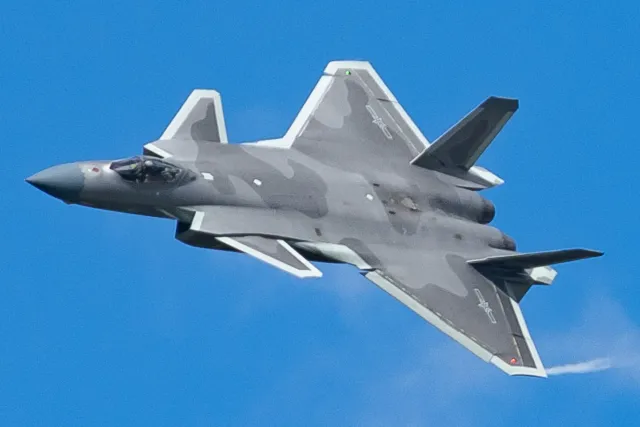
| J-20 Mighty Dragon | China | Operational, growing fleet | Long-range intercept focus, stealth claims largely unverified externally |
| Su-57 Felon | Russia | Operational, low-dozens built | Thrust-vectoring agility, partial/contested stealth, limited combat exposure |
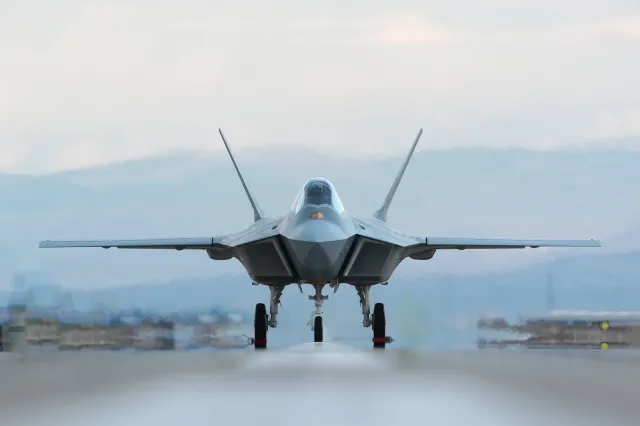
| KAAN | Turkey | Prototype flying, not yet operational | Domestic program, aims for F-35-class fusion and stealth |
| GCAP (Tempest) | UK / Italy / Japan | Development, target ~2035 | Joint sixth-gen-adjacent program, drone teaming planned |
| NGAD | United States | Development, classified details | Air Force’s next-gen program, expected optionally-manned elements |
The pattern here matters more than any single row: the U.S. jets have the production numbers, the allied adoption, and the combat history to back their fifth-gen billing. The J-20 and Su-57 carry the label but not the same independent verification, and everyone else is still building toward it rather than fielding it.
The F-22 and F-35: two different fifth-gen jets, same country
It’s easy to lump the F-22 and F-35 together as “America’s stealth fighters,” but they were built for different jobs. The F-22 is a dedicated air superiority interceptor with genuine supercruise and no export version, ever, by U.S. policy. The F-35 is a multirole strike fighter built around sensor fusion and networking first, with three variants (A/B/C) for the Air Force, Marine Corps, and Navy plus a long list of allied operators. If you want the direct numbers on how the F-35 stacks up against a genuine fifth-gen rival, the F-35A vs. F-22A breakdown on WeaponSpecs lays out speed, sensors, and role side by side.
Why the term is partly marketing
None of this is a knock on the aircraft, but the “generation” framing itself deserves some skepticism. It was popularized by manufacturers and defense ministries as a way to justify budgets and export pitches, and it gets applied unevenly. Russia calls the Su-57 fifth-generation despite unresolved stealth questions and a production run that’s fallen well short of original targets. China does the same with the J-20 without opening its RCS testing to outside review. Even in the U.S., “4.5 generation” is itself a marketing category invented to describe upgraded fourth-gen jets without conceding they’re not fifth-gen. Generation labels track marketing cycles almost as much as they track engineering milestones, so treat any specific performance claim, especially from a program without independent verification, as a claim first and a fact second.
What comes after fifth generation
Sixth-generation programs are where the next real leap is being planned, though nothing is flying operationally yet. The U.S. Next Generation Air Dominance (NGAD) program is expected to pair a crewed fighter with autonomous “loyal wingman” drones and further stealth and range improvements, though most specifics remain classified. The UK, Italy, and Japan’s Global Combat Air Programme (GCAP), targeting a Tempest successor around 2035, is pursuing similar drone-teaming and sensor goals as a joint effort. China is reportedly pursuing its own next-generation design, though public detail is thin. The common thread across all of them is treating the fighter as one node in a networked system of manned and unmanned aircraft, rather than a single stealthy jet fighting alone, which is really just the fifth-gen networking pillar pushed further.
The bottom line
A fifth-generation fighter is stealth shaping, sensor fusion, networked awareness, and high-end performance combined in one airframe, and only the United States has fielded jets meeting that bar with independently verifiable results. China and Russia field aircraft carrying the label, but the J-20 and Su-57 lean on state and manufacturer claims that outside analysts haven’t been able to confirm the same way. Turkey’s KAAN, the GCAP partnership, and America’s own NGAD program are the next wave chasing the same standard, or trying to leapfrog past it into sixth-gen territory entirely.
Run the numbers yourself rather than taking any program’s marketing at face value. Compare airframes head-to-head with F-35A vs. F-22A, browse the full fighter jet class on WeaponSpecs, or let the Advisor tool weigh tradeoffs against a specific mission profile. For the deeper dive on how a verified fifth-gen jet stacks up against a contested one, read F-35 vs. Su-57, and for more breakdowns like this one, browse the WeaponSpecs articles.
Systems in this comparison
Every system covered above, with its photo and, where available, a video. Tap a card to open the full spec sheet.
Compare these side by side →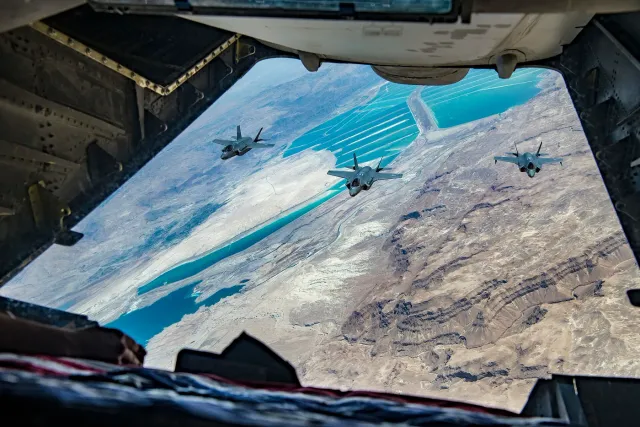
Fighter aircraft
F-35A Lightning II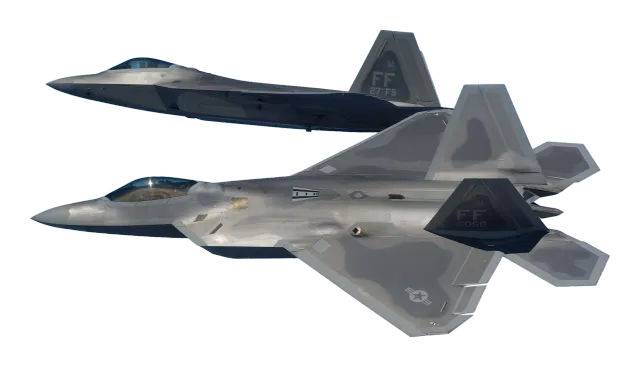
Fighter aircraft
F-22A Raptor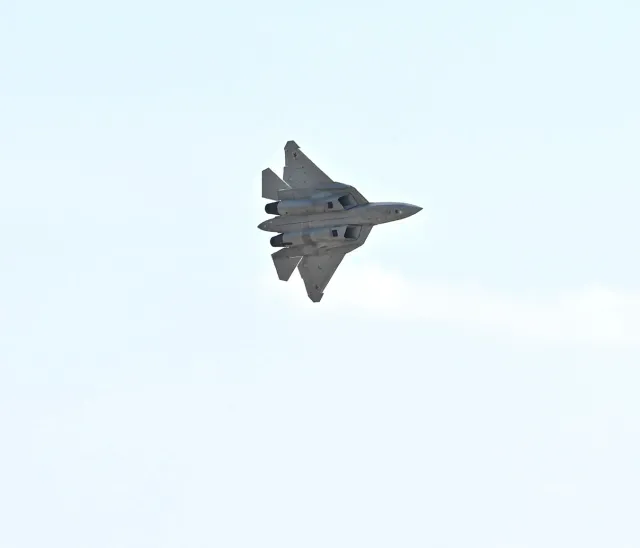
Frequently asked questions
What is a fifth-generation fighter? +
A fighter combining very-low-observable stealth shaping, sensor fusion that merges radar/infrared/EW data into one picture, networked situational awareness with other aircraft, and supercruise or high-alpha performance. The label is generally applied to the F-22, F-35, J-20, and Su-57, though the Su-57's stealth is contested.
Which countries have a fifth-generation fighter? +
The United States (F-22, F-35), China (J-20), and Russia (Su-57) are the three countries that field aircraft marketed as fifth-generation. Only the U.S. jets have verified low-observable performance and combat records; the J-20 and Su-57's stealth claims rely largely on unverified state and manufacturer sources.
What is the difference between 4th and 5th generation? +
Fourth-generation jets like the F-16 or Su-27 rely on speed, agility, and separate cockpit displays a pilot must interpret manually. Fifth-generation jets add very-low-observable stealth shaping, internal weapons carriage, and sensor fusion that presents one unified tactical picture instead of raw feeds.
Is the Su-57 a real fifth-generation fighter? +
Partially, by most independent assessments. It has some stealth shaping and internal weapons bays, but exposed engine nozzles and a coating regime with no independent verification leave analysts describing it as closer to a very capable 4.5-generation jet than a true low-observable design.
What is a sixth-generation fighter? +
Programs like America's NGAD, the UK/Italy/Japan GCAP, and reportedly China's next design aim to add optionally-manned operation, AI-assisted 'loyal wingman' drone teaming, and directed-energy or hypersonic weapons on top of fifth-gen stealth and fusion. None are operational yet as of 2026.
Related reading